
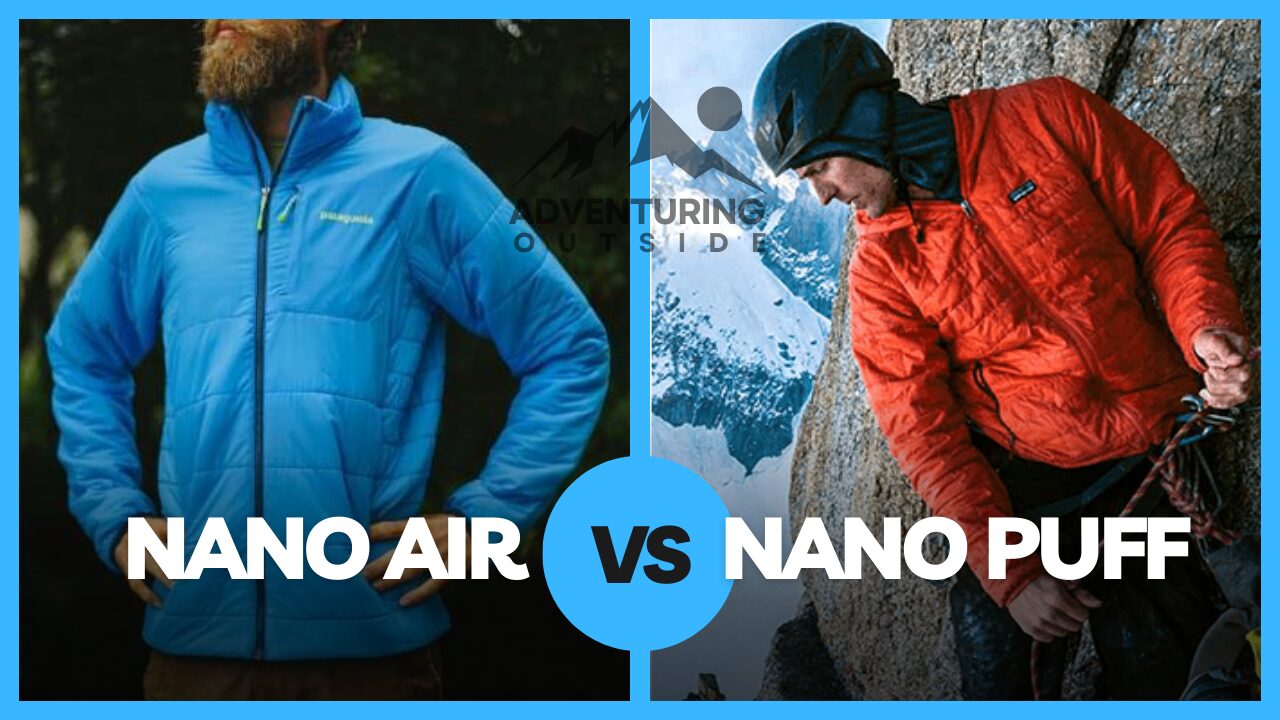
Patagonia is a well-known brand that produces high-quality outdoor gear, including jackets. Two of their most popular jackets are the Nano Air and the Nano Puff. Both jackets have distinct features that make them stand out from each other.
The Nano Air is designed to be breathable and fairly warm, making it a great choice for high-intensity activities. It features FullRange insulation technology, which is stretchy and allows for a greater range of motion.
On the other hand, the Nano Puff is more lightweight and packable, making it an excellent choice for backpackers and travelers. It is insulated with PrimaLoft Gold Eco and is water-resistant.
When deciding between the Nano Air and the Nano Puff, it is important to consider your specific needs and use cases.
If you are looking for a jacket that can keep you warm while allowing for a greater range of motion, the Nano Air may be the better choice. However, if you are looking for a lightweight and packable jacket for travel or backpacking, the Nano Puff may be the better option.
Key Takeaways
- The Nano Air and Nano Puff are two popular jackets produced by Patagonia.
- The Nano Air is designed to be breathable and warm, while the Nano Puff is lightweight and packable.
- When deciding between the two, it is important to consider your specific needs and use cases.
Overview of Patagonia Jackets
Patagonia Nano Puff
Patagonia Nano Puff is a lightweight, compressible jacket that is perfect for outdoor activities. It is made of 100% recycled polyester, which makes it environmentally friendly. The jacket is insulated with PrimaLoft® Gold Insulation Eco, which provides excellent warmth without adding bulk. The Nano Puff has a durable water repellent (DWR) finish that sheds light rain and snow to keep the wearer dry. The jacket has a regular fit and can be worn as a mid-layer or outer layer.
Patagonia Nano Air
Patagonia Nano Air is a versatile jacket that is designed for high-output activities. It is made of 100% recycled polyester and is insulated with FullRange® insulation, which provides warmth and breathability. The jacket has a DWR finish that sheds light rain and snow. The Nano Air has a slim fit and can be worn as a mid-layer or outer layer. The jacket has a stretchy, breathable fabric that allows for a full range of motion.
Comparative Overview
When comparing Patagonia Nano Puff and Nano Air, it is important to consider the intended use of the jacket. The Nano Puff is more suitable for colder and drier conditions, while the Nano Air is better for high-output activities where breathability is essential.
The Nano Puff has a higher warmth-to-weight ratio, while the Nano Air has unprecedented airflow for a durable jacket. The Nano Puff is more wind and water-resistant, while the Nano Air is more breathable and stretchy. The Nano Puff is also more affordable than the Nano Air.
Materials and Insulation
Synthetic Insulation Types
Both the Patagonia Nano Air and Nano Puff jackets use synthetic insulation, which provides warmth even when wet. The Nano Air uses FullRange insulation, while the Nano Puff uses PrimaLoft Gold Insulation Eco.
FullRange insulation takes place 60 grams inside the Nano Air. It is intended to make the insulator both breathable and fairly warm & water-resistant. PrimaLoft Gold Insulation Eco, on the other hand, is designed to trap air that has been heated by the body in small pockets so that it can’t escape. This is how the Puff jacket provides warmth.
Environmental Impact
Patagonia is known for its commitment to sustainability. Both the Nano Air and Nano Puff jackets use recycled materials in their construction. The Nano Puff is built primarily from eco-friendly materials, including a recycled polyester ripstop shell and PrimaLoft Gold Insulation Eco, which is made from post-consumer recycled content.
The Nano Air also uses recycled polyester in its construction, as well as Fair Trade Certified sewing. Additionally, the FullRange insulation used in the Nano Air is made from 40% recycled polyester.
Design and Features
Jacket Construction
Both the Patagonia Nano Air and Nano Puff jackets are designed with high-quality materials and construction. The Nano Air is made with a 100% nylon ripstop shell and lining, while the Nano Puff features a 100% recycled polyester shell and lining.
The Nano Air also has a stretchy FullRange insulation, which provides excellent warmth and breathability. The Nano Puff, on the other hand, is insulated with PrimaLoft Gold Eco, which is lightweight and compressible.
Both jackets have a regular fit, which is comfortable and allows for easy layering. The Nano Air is slightly more form-fitting, while the Nano Puff has a relaxed fit.
Specialized Features
The Patagonia Nano Air and Nano Puff jackets both come with specialized features that make them stand out from other jackets on the market.
The Nano Air has a storm flap and a DWR finish, which helps to repel water and keep the wearer dry in wet conditions. It also has two handwarmer pockets and an internal chest pocket, which provide ample storage space for small items.
The Nano Puff also has a DWR finish, as well as a helmet-compatible hood for added protection in harsh weather conditions. It has two handwarmer pockets and an internal chest pocket, which provide ample storage space for small items.
Performance and Use Cases
Warmth and Weather Resistance
When it comes to warmth and weather resistance, the Nano Puff and Nano Air jackets have some notable differences.
The Nano Puff is designed to be more windproof and water-resistant than the Nano Air. It’s also a bit warmer, making it a great choice for cold weather activities.
On the other hand, the Nano Air is more breathable and better suited for activities that require a higher level of performance.
Activities and Versatility
The Nano Puff is a great choice for outdoor activities such as backcountry skiing, climbing, and ski touring. It’s a versatile jacket that can be used as part of a layering system or on its own.
The Nano Air, on the other hand, is better suited for endurance activities such as running, hiking, and climbing. It’s more breathable and stretchy, making it a great choice for activities that require a higher level of performance.
Comfort and Fit
Sizing and Movability
When it comes to sizing and movability, both the Patagonia Nano Air and Nano Puff jackets offer a good fit.
However, the Nano Air is known to be more fitted than the Nano Puff, which makes it a great option for those who prefer a sleeker look. The Nano Puff, on the other hand, offers a more regular fit, which is perfect for layering.
In terms of movability, the Nano Air is the winner. It features mechanical stretch, which means that it moves with the body, providing a greater range of motion. The Nano Puff, on the other hand, lacks this feature and can feel somewhat restrictive, especially when layering.
Breathability and Comfort
Breathability and comfort are two important factors to consider when choosing between the Nano Air and Nano Puff jackets.
The Nano Air is designed to be highly breathable, thanks to its FullRange insulation technology. This technology ensures that the jacket is both warm and breathable, which makes it perfect for high-intensity activities.
The Nano Puff, on the other hand, is less breathable than the Nano Air. However, it still offers a good level of comfort, thanks to its PrimaLoft Gold insulation technology. This technology mimics down insulation, which means that it is highly compressible and can be packed into a small space.
Durability and Maintenance
Material Robustness
Both the Nano Air and Nano Puff jackets are made from durable materials that can withstand the rigors of outdoor activities.
The Nano Puff has a 100% recycled polyester shell and liner, which makes it more resistant to tears and abrasions. The Nano Air, on the other hand, has a 100% nylon ripstop shell and liner, which is also durable and can withstand harsh weather conditions.
The Nano Puff has a DWR (durable water repellent) finish that helps to keep moisture out, making it ideal for wet conditions. The Nano Air, on the other hand, is treated with a DWR finish that is not as effective as the Nano Puff, but it still provides some level of protection against water.
Care Instructions
Both the Nano Air and Nano Puff jackets require proper care to ensure they last longer.
Patagonia recommends that you machine wash both jackets in cold water with a mild detergent. It is important to avoid using fabric softeners, bleach, or any other harsh chemicals that can damage the jackets’ materials.
After washing, it is recommended that you air dry both jackets instead of using a dryer. The Nano Puff can be tumble dried on low heat, but the Nano Air should not be tumble dried.
It is also important to avoid ironing both jackets as this can damage the materials.
In terms of storage, Patagonia recommends that you store both jackets in a cool, dry place away from direct sunlight. It is also important to avoid storing them in a compressed state as this can damage the insulation.
Portability and Storage
Packability and Weight
When it comes to packability and weight, both the Patagonia Nano Air and Nano Puff jackets are highly portable and lightweight.
However, the Nano Puff is the lighter of the two, weighing in at around 11.9 oz, while the Nano Air weighs around 11.2 oz.
This difference in weight may not seem significant, but it can make a difference for those who are looking for the lightest possible option.
In terms of packability, both jackets are highly compressible and can be packed down into a small space.
The Nano Puff can be packed into its own pocket, while the Nano Air can be packed into its chest pocket.
This makes both jackets easy to store in a backpack or luggage when not in use.
Compressibility
The compressibility of both jackets is impressive, with both being able to pack down into a small space.
However, the Nano Puff is slightly more compressible than the Nano Air.
This is due to the fact that the Nano Puff uses PrimaLoft insulation, which is known for its ability to compress down to a small size.
The Nano Air, on the other hand, uses FullRange insulation, which is more stretchy and less compressible than PrimaLoft.
Cost and Value
Price Comparison
When it comes to the price comparison between the Nano Air and the Nano Puff, the former is generally more expensive.
The Nano Air typically retails for around $250, while the Nano Puff costs around $200.
However, it’s important to note that prices can vary depending on the specific model and where you purchase it from.
Long-Term Value
While the Nano Air may be more expensive upfront, it may offer better long-term value due to its durability and versatility.
The FullRange insulation technology used in the Nano Air provides excellent breathability, making it suitable for a wider range of temperatures and activities.
Additionally, the Nano Air is Fair Trade Certified™ sewn, which means that Patagonia has ensured fair wages and safe working conditions for the people who made it.
On the other hand, the Nano Puff may be a more cost-effective option for those who don’t require as much versatility or durability.
It’s still a high-quality jacket with PrimaLoft Gold Eco insulation, which provides excellent warmth even when wet.
However, it may not be as breathable as the Nano Air, which could limit its usefulness in certain situations.
Consumer Considerations
When deciding between the Patagonia Nano Air and Nano Puff jackets, there are a few important consumer considerations to keep in mind.
Market Availability
Both the Nano Air and Nano Puff jackets are widely available in the market.
They can be purchased directly from Patagonia, as well as from third-party retailers such as Amazon. However, it is important to note that the availability of specific colors and sizes may vary depending on the retailer.
Use in Urban Settings
While both jackets are versatile and can be used for a variety of outdoor activities, they also have their own unique features that make them suitable for different settings.
The Nano Air is designed for high-output activities, such as hiking and climbing, while the Nano Puff is better suited for stationary use in colder temperatures.
In terms of use in urban settings, the Nano Puff may be the better choice.
Its sleek design and variety of colors make it a stylish option for around town. Additionally, its ability to resist wind and abrasion make it a durable choice for daily wear.
Competitor Comparisons
Similar Jackets on the Market
When it comes to lightweight winter jackets, two of the most popular options are the Patagonia Nano Air and Patagonia Nano Puff.
The Nano Air is designed to be a highly breathable jacket, while the Nano Puff is intended to provide warmth and insulation.
Both jackets are made of polyester ripstop and are treated with a DWR (durable water repellent) finish to help keep you dry.
Another popular jacket on the market is the Patagonia Micro Puff.
This jacket is similar to the Nano Puff in terms of its lightweight design and insulation, but it also includes a unique PlumaFill synthetic insulation that mimics the structure of down.
The Micro Puff is also made of polyester ripstop and is treated with a DWR finish.
Outdoor Research is another brand that offers a range of winter jackets.
Their Ascendant Hoody is a popular option for those looking for a lightweight jacket that provides warmth and breathability.
The jacket features Polartec Alpha insulation and a Pertex Microlight shell, which helps to keep you warm and dry.
Brand Reputation and Alternatives
Patagonia is a well-known brand in the outdoor industry, and their Nano Air and Nano Puff jackets are among their most popular products.
The company is known for its commitment to sustainability and ethical manufacturing practices, which is a factor that many consumers take into consideration when purchasing outdoor gear.
Marmot is another brand that offers a range of winter jackets.
Their Featherless Hoody is a popular alternative to the Nano Puff, as it features a unique 3M Thinsulate Featherless insulation that provides warmth without the bulk of traditional down.
The jacket is also made of a lightweight, water-resistant fabric that helps to keep you dry.
Frequently Asked Questions
What are the main differences between the Nano-Air and Nano Puff jackets?
The Nano-Air and Nano Puff jackets differ in their materials, insulation, and construction.
The Nano Puff jacket is made with a 100% recycled polyester shell and insulation, while the Nano-Air jacket uses a nylon and elastane shell and FullRange insulation.
The Nano-Air jacket is also designed with a more fitted and stretchy construction than the Nano Puff jacket.
How does the warmth compare between the Nano-Air and the Nano Puff?
Both jackets are designed to provide warmth, but they use different insulation materials and construction methods.
The Nano Puff jacket uses PrimaLoft Gold insulation, which is designed to provide warmth even when wet.
The Nano-Air jacket uses FullRange insulation, which is designed to provide warmth and breathability.
In general, the Nano-Air jacket is considered to be warmer than the Nano Puff jacket, but the difference in warmth may not be noticeable in milder weather conditions.
Can you explain the performance differences in wet conditions for the Nano-Air and Nano Puff?
The Nano Puff jacket is designed to perform well in wet conditions, as the PrimaLoft Gold insulation is water-resistant and retains warmth even when wet.
The Nano-Air jacket is not as water-resistant as the Nano Puff jacket, but it is designed to provide breathability and moisture-wicking properties to keep the wearer dry and comfortable during high-intensity activities.
What are the benefits of choosing a Nano-Air Hoody over a Nano Puff?
The Nano-Air Hoody offers a more fitted and stretchy construction than the Nano Puff jacket, making it a better option for high-intensity activities that require a wider range of motion.
The Nano-Air Hoody also has a hood, which provides additional warmth and protection from the elements.
However, the Nano Puff jacket may be a better option for those who prioritize warmth and water-resistance over breathability and mobility.
Which jacket offers better breathability, the Nano-Air or the Nano Puff?
The Nano-Air jacket is designed to provide superior breathability and moisture-wicking properties, making it a better option for high-intensity activities that require a wider range of motion.
The Nano Puff jacket, on the other hand, is designed to provide warmth and water-resistance, but may not be as breathable as the Nano-Air jacket.
How does the Micro Puff compare to the Nano-Air and Nano Puff in terms of weight and warmth?
The Micro Puff is a lightweight and highly compressible jacket that is designed to provide warmth in cold weather conditions. It uses PlumaFill insulation, which is designed to mimic the warmth and compressibility of down while retaining warmth even when wet.
The Micro Puff is lighter and more compressible than both the Nano-Air and Nano Puff jackets, but may not provide the same level of warmth in extreme weather conditions.
