
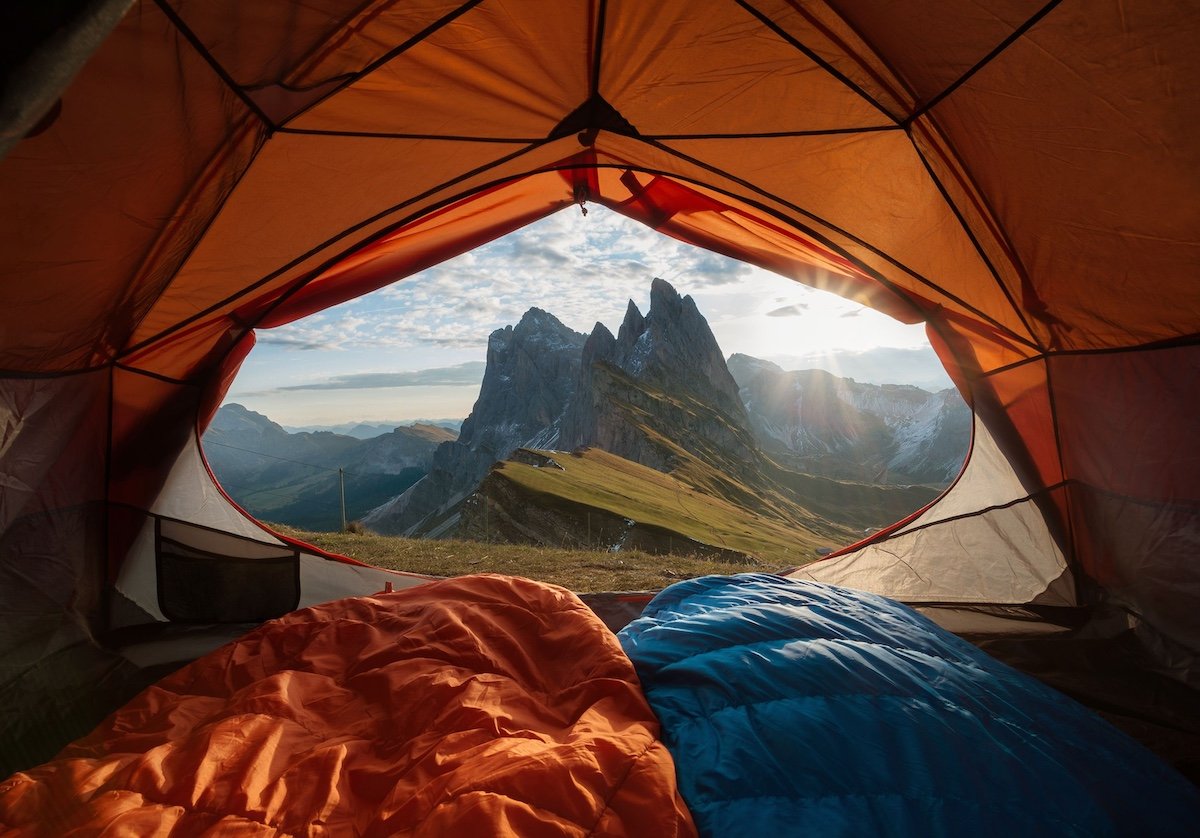
When planning a camping trip, a good night’s sleep is often high on the priority list. We know that sleep directly impacts our energy levels, mood, and overall enjoyment of the great outdoors. Yet, finding the right surface to sleep on while immersed in nature can be a bit of a challenge. Unlike the comforts of our bedrooms, the irregular and often unforgiving terrain of a campsite calls for careful consideration of our sleep setup. We aim to strike a balance between minimalism and comfort, focusing on portable, durable, and comfortable options that won’t weigh us down on our trek.
Sleeping comfortably in a tent can greatly enhance your camping experience. Here are some of the best ways to ensure a good night’s sleep in a tent:
- Choose the Right Tent: Make sure your tent is suited to the conditions you’ll be camping in and is spacious enough for the number of people and gear.
- Select a Good Campsite: Look for level ground that’s free of rocks and roots, and ideally, in a peaceful area away from loud neighbors or high-traffic paths.
- Invest in a Quality Sleeping Pad or Mattress: A good sleeping pad not only provides comfort but also insulation from the cold ground. Options range from foam pads to self-inflating mats and air mattresses.
- Use an Appropriate Sleeping Bag: Choose a sleeping bag with the right temperature rating for the conditions. If it’s cold, a mummy-shaped bag will retain heat better.
- Pillows for Comfort: Bring a small camping pillow or stuff a pillowcase with clothes to create a makeshift pillow.
- Regulate Temperature: Dress in layers so you can easily adjust to the temperature throughout the night. Avoid going to bed cold; do some light exercise to warm up if necessary.
- Create Ambiance: A small LED lantern or flashlight can provide a soft light that makes the tent feel cozy and helps you navigate in the dark.
- Block Out Noise: Earplugs can be helpful if you’re a light sleeper or if there are noises in the campground that could disturb your sleep.
- Stay Organized: Keep your tent tidy to avoid stress and to create a more relaxing environment.
- Stay Hydrated: Drink enough water during the day, but avoid drinking large amounts just before bed to minimize nighttime trips to the bathroom.
- Prepare for the Unexpected: Have a plan for when nature calls in the middle of the night, such as a flashlight and shoes ready to go.
- Use Sleep Accessories: Consider eye masks if the early morning light wakes you up or if there are artificial lights nearby.
By following these tips and preparing properly, you can increase your chances of getting a restful sleep in a tent, waking up refreshed and ready for the day’s adventures
Crafting your ideal sleep system involves more than just choosing a sleeping bag. It’s about understanding and integrating the elements of your environment into your sleeping arrangement. The key is to acknowledge the ground conditions, the weather, and your own physical needs, which may be quite different from what we’re accustomed to at home. We consider aspects such as insulation, cushioning, support, and space when assembling our sleeping gear. From sleeping pads to air mattresses, the choices are many, and each has its own set of benefits to ensure we wake up well-rested and ready to enjoy our camping adventures.
Key Takeaways
- A comfortable sleeping system is essential for an enjoyable camping experience.
- Consider sleeping pads, sleeping bags, and air mattresses for different conditions.
- A balance between comfort, practicality, and the nature of the campsite is crucial.
Choosing Your Sleep System
When we camp, our sleep system is crucial for ensuring a good night’s rest. It’s essential to choose the right combination of gear that will keep us comfortable and warm throughout the night, regardless of the weather conditions.
Selecting a Sleeping Bag
The sleeping bag is the cornerstone of a camping sleep system. It’s important for us to consider the temperature rating of the bag which should align with the coldest conditions we expect to encounter. Sleeping bags are filled with either synthetic fill or down. Synthetic sleeping bags are generally less expensive, dry out faster, and insulate even when wet, while down bags are lighter, more compressible, and retain warmth more effectively in dry conditions.
Understanding Sleeping Pads
A sleeping pad not only provides cushioning from the hard ground but also insulation, especially vital in cold conditions. Pads have R-values, a measure of thermal resistance; the higher the number, the better the insulation. Types of sleeping pads include:
- Closed-cell foam pads: Durable, lightweight, and inexpensive, offering a basic level of comfort and insulation.
- Self-inflating pads: Combine foam and air for greater comfort and insulation.
- Inflatable sleeping pads: These can be the most comfortable option but require manual or pump inflation and are usually more expensive.
The Role of Cots in Comfort
Cots elevate us off the ground, protecting us from the cold and providing a similar feel to a traditional bed. They can enhance comfort significantly, especially for those who prefer a firmer sleeping surface. However, cots are heavier and less portable, so they are best suited for car camping where we don’t need to carry our gear long distances.
Additional Comfort Options
For additional warmth, we can use a sleeping bag liner, which can add a few crucial degrees of warmth. To maximize sleep quality, consider bringing a pillow or pillowcase that can be stuffed with clothes. Earplugs can also be a helpful addition to block out any unwanted noise. Always ensure that our sleeping area is on a flat, level ground to avoid an uncomfortable night’s sleep.
Optimizing Your Sleep Environment
When we camp, our sleep quality hinges on how well we adapt to the outdoor environment. By selecting the right tent, managing the temperature, and creating a calm atmosphere, we can ensure a restful night.
Tent Selection and Setup
Choosing the right tent is crucial for a comfortable sleep. We prioritize tents with adequate ventilation to manage condensation and maintain a fresh air supply. It is essential to set up our tent in a sheltered location, preferably flat and away from direct wind. Trees can provide a natural barrier against weather, but we avoid areas under dead branches to reduce the risk of injury.
- Location: Choose flat ground, sheltered from wind, with natural overhead protection.
- Ventilation: Ensure the tent has sufficient mesh panels for airflow.
Managing Temperature and Insulation
The right temperature is key to sleep. We aim for a sleep environment around 65 to 68 degrees Fahrenheit. Our insulation strategy begins with suitable sleepwear, including moisture-wicking base layers and additional clothing if temperatures drop. We use sleeping pads for ground insulation and select sleeping bags rated for the current climate.
- Sleepwear: Moisture-wicking base layers and warm socks.
- Sleep System: Match sleeping pads and bags to the environment’s temperature.
Creating a Relaxing Atmosphere
Nature’s sounds can be soothing, but to mask any disruptive noise, we consider using white noise machines or smartphone apps. Additionally, we use eye masks to block out light for uninterrupted sleep. Meditation or low-volume music are other methods we use to induce sleepiness. We ensure to keep these sounds personal by using headphones, maintaining the peace of the environment.
- Sound: White noise or music through headphones.
- Light: Eye masks or tent shades to minimize light exposure.
- Relaxation: Practice meditation to wind down.
Personal Sleep Preparations
Getting good sleep while camping hinges on our personal habits and preparations. We’ll explore strategies to establish a bedtime routine, relaxation techniques to calm the mind and body, and dietary considerations to avoid sleep disruption.
Establishing a Bedtime Routine
A consistent bedtime routine is crucial for signaling our bodies that it’s time to wind down. We should aim to go to bed and wake up at the same times we do at home. Our routine might include journaling to release the day’s stress or reading to relax our minds. Keeping a water bottle nearby can maintain hydration, but we should be careful not to drink too much to avoid middle-of-the-night trips outside the tent.
Mind and Body Relaxation Techniques
Relaxation before bedtime is essential for quality sleep. We can engage in meditation or practice deep-breathing exercises to alleviate stress. Gentle exercise, such as yoga, can also help our bodies unwind. For those who find it helpful, bringing a natural sleep aid like melatonin can assist in adjusting to a new sleeping environment.
Diet and Substance Considerations
Our diet directly affects our sleep quality. A light dinner that’s easy to digest is ideal, as heavy or rich foods can lead to discomfort. Limiting caffeine and alcohol intake is especially important as they can disrupt sleep patterns and affect melatonin production. If it’s cold, a warm drink in a water bottle may comfort us, but it should be caffeine-free.
Camping Gear Essentials
When we head out for a camping trip, it’s crucial to have the right gear carefully selected for both comfort and practicality. This encompasses what we choose to wear, how we navigate after dark, and the way we keep our belongings secure and organized.
Packing the Right Clothing
Our wardrobe choices need to be strategic, ensuring comfort, versatility, and minimal weight. For a camping trip:
- Layers: Start with a moisture-wicking base layer, add insulation like a fleece jacket, and top off with a waterproof and windproof shell.
- Shoes & Socks: Durable, supportive footwear and moisture-wicking socks are essential for navigating the varied terrain we’ll encounter at a campground or during backpacking.
Lighting and Visibility at Night
Navigating a campsite after dark necessitates various sources of light:
- Headlamp: Essential for hands-free operation; choose one with adjustable settings.
- Flashlight: Keep a sturdy flashlight for additional directed light.
- Eye Mask: If the ambient light disrupts your sleep, a comfortable eye mask can be invaluable.
Organization and Security of Gear
Keeping our gear organized and secure ensures a seamless experience:
- Backpack: Opt for a backpack that balances space with comfort and weight distribution.
- Sleeping Gear: Prioritize a lightweight and compact sleeping bag and pad that suit the climate and terrain.
- Security: Always have a plan to secure valuables, whether it’s a lockable tent compartment or a designated safe area.
By focusing on these essentials, we ensure that our camping experience is enjoyable and hassle-free.
Environmental Considerations
When we choose what to sleep on while camping, it’s imperative to consider the environmental impact of our camping spot and the materials we use. This not only ensures our comfort but also the protection and preservation of the outdoors where we find solace and adventure.
Choosing a Suitable Campsite
It’s crucial for us to select a camping spot that won’t disrupt the natural environment. We must look for established sites that have clear, durable surfaces to set up camp. Avoiding vegetation, soft ground, or areas with signs of erosion helps protect the plant life and soil integrity. We must be careful to leave the ground as we found it, free from rocks, sticks, and pinecones that could be displaced otherwise.
Protecting Yourself from the Elements
Our shelter provides a fundamental barrier between us and nature’s elements. To sleep while camping, prioritize a sleep system that offers adequate ventilation to enhance airflow and keep condensation to a minimum. This is especially important when camping in forests or mountains where the climate may vary. Also, ensure your setup is waterproof to stay dry during rain. Our gear should maintain a balance between protection from the weather and respect for the fresh air and environment that surround us.
Dealing with Wildlife and Insects
When considering our sleep systems, we can’t overlook the potential for encounters with bugs and wildlife. Opt for a sleep setup that includes fine-mesh netting to protect ourselves from insects without resorting to harsh chemicals. It’s also wise to choose a camping spot away from natural wildlife trails to minimize our impact and reduce our likelihood of unwanted visitors. Staying clear of food sources for animals ensures both their safety and ours.
Frequently Asked Questions
In our experience, a good night’s sleep can elevate a camping trip from good to great. Here are some answers to common questions about sleeping comfortably while camping.
How do you ensure a comfortable night’s sleep in a tent?
To ensure a comfortable night’s sleep in a tent, we begin with choosing a flat surface free from rocks and debris. A quality sleeping pad and appropriate sleeping bag for the temperature go a long way in making a tent cozy.
Which sleeping gear is considered essential for a good camping experience?
Essential sleeping gear for a good camping experience includes a tent suited to the conditions, a high-rated sleeping bag for the season, and a sleeping pad or air mattress for insulation and cushioning against the ground.
Can you recommend sleeping solutions for campers with back pain?
For campers with back pain, we recommend a thicker, self-inflating sleeping pad or an air mattress with adjustable firmness. It’s important to maintain a natural spinal alignment, even while sleeping on outdoor surfaces.
What should one wear to stay warm and comfortable while sleeping in a tent?
To stay warm and comfortable, it’s best to wear moisture-wicking base layers, warm socks, and a hat if necessary. Avoid tight clothing that could restrict circulation and choose materials suited for the ambient temperature.
What are the key differences between a sleeping pad and a camping cot?
The key differences lie in elevation and insulation. A sleeping pad offers thermal insulation from the ground and is generally compact and lightweight, while a camping cot elevates you off the ground, which can be more comfortable but is bulkier and not as warm.
How can I sleep comfortably on the ground during a camping trip?
To sleep comfortably on the ground, select a flat area, use a thick sleeping pad, and ensure your sleeping bag is rated for the lowest temperature you’ll encounter. Additional tips include using a pillow or rolled-up clothing for neck support.
