
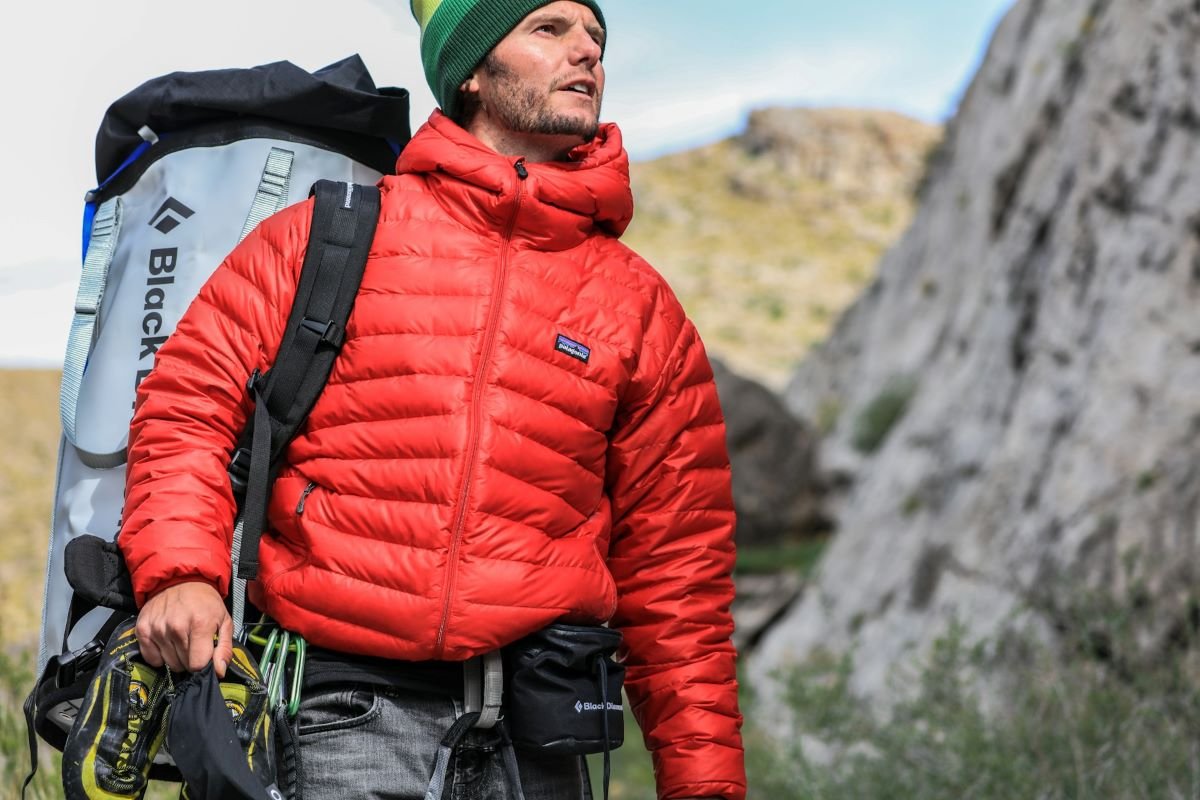
When looking for high-quality outerwear, Patagonia is one of the leading brands that outdoor enthusiasts turn to. Their jackets have earned a reputation for being reliable, durable, and thoughtfully designed to cater to a variety of environmental conditions and outdoor activities. From lightweight shells perfect for a breezy day to insulated parkas designed for the coldest climates, each Patagonia jacket serves a specific purpose, ensuring customers have the right gear for their adventures.
As we explore the range of jackets offered by Patagonia, we pay attention to the key features that set them apart. It’s not just about warmth and protection from the elements; functionality, such as packability and breathability, are considered in tandem with the brand’s commitment to sustainability and ethical manufacturing practices. Patagonia’s use of recycled materials and fair trade certification are just as important to us as the technical specifications. Ensuring that our gear choices align with our values is paramount.
Maintaining these jackets is also part of our responsible ownership. Proper care ensures longevity, which is better for both our wallets and the environment. We are mindful to follow the recommended maintenance tips to preserve the jacket’s functionality and appearance. And for any lingering uncertainties, we address common questions to make sure we are thoroughly informed about our Patagonia jacket selection.
Key Takeaways
- Patagonia jackets are designed for various climates and activities, emphasizing functionality and sustainability.
- Critical features such as material technology and ethical manufacturing form the core of Patagonia’s outdoor gear reputation.
- Proper care is essential to prolong the life of a jacket, aligning with responsible ownership and environmental stewardship.
Patagonia Jacket Selection Guide
In our guide, we focus on meticulously selected jackets that cater to both men and women, ensuring optimal performance for a variety of outdoor pursuits. We’ve highlighted the best down options, including the Nano Puff and Micro Puff Hoody, as well as specialized ski jackets and robust winter attire.
Men’s Jackets
For men, the standout down jacket this season is the Patagonia Fitz Roy Down Hoody. It offers superior warmth and is ideal for colder climates. If you’re after something lighter, the Nano Puff provides excellent insulation with minimal bulk. For ski enthusiasts, Patagonia offers jackets with specifically tailored features for the slopes.
- Best Down: Patagonia Fitz Roy Down Hoody
- Warmth: Ideal for winter
- Weight: Heavy-duty
- Best Light Option: Patagonia Nano Puff
- Warmth: Moderate
- Weight: Lightweight
- Best for Skiing: Storm Shift Jacket
- Warmth: Customizable with layering
- Weight: Varies with design
Women’s Jackets
Patagonia’s range for women includes the Micro Puff Hoody, which balances warmth and weight superbly. The Women’s Down Sweater Hoody remains a favorite for its classic look and reliable warmth. For winter sports, women’s ski jackets from Patagonia are designed with both functionality and style in mind.
- Best Down: Women’s Down Sweater Hoody
- Warmth: High
- Weight: Moderate
- Best Light Option: Patagonia Micro Puff Hoody
- Warmth: High for its weight
- Weight: Ultra-lightweight
- Best for Skiing: Stormstride Jacket
- Warmth: Tailored for activity level
- Weight: Varies per design
Key Features of Patagonia Jackets
Patagonia jackets are celebrated for their resilience in various weather conditions and the comfort they provide. We’ll dive into how they stand up to the weather and what makes their fit so notable.
Weather Resistance
Patagonia jackets typically come with a range of weather-resistant features. Waterproofing is a key aspect of many Patagonia jackets. Models such as the Patagonia Torrentshell utilize a waterproof barrier and a Durable Water Repellent (DWR) finish to protect against rain. The incorporation of recycled fabrics with weather-resistant properties also factor into eco-friendly designs. Shell jackets often feature breathability alongside waterproofing to ensure that moisture is kept at bay without sacrificing comfort.
| Weather Resistance Features | Description |
|---|---|
| Waterproof | Jackets with a waterproof barrier and sealed seams, like the Torrentshell, are designed to prevent water from penetrating the fabric. |
| DWR Finish | A finish applied to the exterior fabric to repel water while maintaining breathability. |
| PFC-Free DWR | A finish is applied to the exterior fabric to repel water while maintaining breathability. |
Comfort and Fit
Comfort and fit are vital in selecting the right jacket. Patagonia ensures a cozy feel without impinging on mobility through features like thermogreen insulation, which is lightweight yet warm. Adjustable hoods are common to secure the fit around the head and protect against the elements. For colder conditions, features such as handwarmer pockets are incorporated to provide added warmth.
| Comfort and Fit Features | Description |
|---|---|
| Adjustable Hood | Many jackets come with hoods that can be tailored for snugness and protection. |
| Thermogreen Insulation | Strategically placed pockets are designed to keep hands warm in colder climates. |
| Handwarmer Pockets | Strategically placed pockets designed to keep hands warm in colder climates. |
Patagonia continues to innovate and refine the key features of its jackets, ensuring they perform well in adverse weather while maintaining comfort and a proper fit.
Exploring Patagonia Jacket Materials
When selecting a Patagonia jacket, we consider the materials’ performance and sustainability. Their innovative fabrics and insulation types are tailored for durability and environmental impact.
Insulation Types
Down Insulation: One of the most traditional forms of jacket insulation is down—a product made from duck or goose plumage. Patagonia uses 100% recycled down for warmth and sustainability. With a high fill power, generally around 700, Patagonia jackets offer excellent heat retention.
Synthetic Insulation: As an alternative to down, synthetic insulation provides warmth even when wet. Patagonia employs advanced synthetic materials, which mimic the loft and compressibility of down while ensuring that performance is not compromised in damp conditions.
Shell Fabrics
Nylon Ripstop: Known for its durability and resistance to tearing, nylon ripstop is a common shell fabric for Patagonia’s performance jackets. Its grid pattern of reinforcement threads provides an excellent balance between wear resistance and lightweight construction.
Recycled Polyester: Emphasizing its commitment to reducing environmental impact, Patagonia extensively uses shell fabrics made from recycled polyester. This eco-friendly approach not only lessens the dependence on fossil fuels but also decreases waste. Recycled polyester can be treated with a DWR (Durable Water Repellent) finish for added resistance to moisture.
Sustainability and Ethics
In selecting the best Patagonia jackets, we recognize the significance of sustainability and ethical practices in our decision-making process. Here, we detail Patagonia’s efforts in environmental commitment and ethical manufacturing, which are key considerations for consumers seeking responsible choices.
Patagonia’s Environmental Commitment
Patagonia has set a high standard in the apparel industry with its strong environmental commitment. The creative use of recycled materials and the adoption of methods that lessen our carbon footprint demonstrate our commitment to sustainability. Patagonia offers a trade-in program that encourages customers to return their used garments, which we then recycle and repurpose. By integrating materials like 100% recycled polyester into Patagonia jackets, we not only minimize waste but also conserve natural resources.
Patagonia’s NetPlus® fabric, which turns discarded fishing nets into high-quality polyester fiber, is a testament to our innovative approach toward sustainability. These efforts demonstrate our unyielding commitment to providing apparel that supports the well-being of the environment.
Ethical Manufacturing and Materials
Ethically sourced materials underpin the production of our jackets. We are proud to integrate organic cotton, recycled wool, and many other sustainably sourced materials into our products. Our adherence to the Fair Trade program ensures workers’ rights are upheld and that social welfare is prioritized. By compensating our workers fairly and ensuring safe working conditions, we take tangible steps to respect and uplift communities involved in our manufacturing process.
Our commitment extends beyond our factories to our global environmental impact. We continuously strive to set industry benchmarks through sustainable practices, from the materials we select to the partners we choose to collaborate with, manifesting our ethic of responsibility and care.
Care and Maintenance Tips
When it comes to maintaining our Patagonia jackets, we focus on longevity and performance. Here are our key tips:
Washing Instructions
- Use Cold Water: Always set the washing machine to a gentle cycle with cold water to preserve the fabric’s integrity.
- Choose the Right Detergent: Use a non-toxic, biodegradable detergent. For down jackets, select a down-safe option.
Drying Techniques
- Low Heat Setting: Dry your down jacket on a low heat setting. Avoid high heat to protect the down fill.
- Air Dry: Whenever possible, we line dry our jackets to extend their life.
Durable Water Repellent (DWR) Care
- Reapply As Needed: After washing and during regular use, the DWR finish may need reapplication. We follow the specific reapplication instructions for our jacket’s material.
Repair Before Replacement
- DIY Fix: Small rips or tears? We opt for repairing whenever possible. There are many repair kits available that match the fabric of our jackets.
- Professional Services: For larger issues, we utilize Patagonia’s repair services to ensure our gear is restored to its full functionality.
Upgrade Considerations
- Responsible Upgrades: When the time comes, we consider upgrading our gear thoughtfully. We look for new jackets with an improved DWR finish or enhanced features that meet our needs.
By adhering to these care and maintenance recommendations, we ensure the durability and performance of our Patagonia jackets. It’s our way of honoring the brand’s commitment to the environment and the quality of their products.
Frequently Asked Questions
As experts in outdoor apparel, we’ve gathered the most common queries about Patagonia jackets to help you make informed decisions.
Which Patagonia jacket provides the best warmth for winter conditions?
The Patagonia Fitz Roy Down Hoody is renowned for its warmth in winter conditions, leveraging high-quality down insulation to retain heat effectively.
What are the top-rated Patagonia jackets for hiking?
For hiking, lightweight and durable jackets like the Patagonia Torrentshell and Micro Puff Hoody are top-rated for their balance of insulation and breathability.
The top-rated Patagonia jackets for hiking include the following:
- Patagonia Houdini Jacket: Known for its lightweight and packable design, offering wind and water resistance.
- Patagonia Torrentshell 3L Rain Jacket: Recognized for its durable and waterproof construction, providing reliable protection from the elements during hiking adventures.
- Patagonia R1 Fleece Pullover: Praised for its warmth and breathability, making it a versatile choice for various hiking conditions.
How do Patagonia’s waterproof jackets compare in terms of performance?
Patagonia’s waterproof jackets, such as the Storm10 and Torrentshell lines, offer exceptional water resistance and durability, standing up well against competitors in performance tests. Patagonia’s waterproof jackets, particularly the Patagonia Torrentshell, are highly regarded for their exceptional performance in key areas such as waterproofing, breathability, and durability. According to CNN Underscored, the Patagonia Torrentshell stood out among the tested jackets for being “ridiculously waterproof” and effectively keeping users dry even in the worst rain conditions.
One of the standout features of Patagonia’s waterproof jackets is the H2No® Performance Standard technology, which sets a benchmark for waterproofness, breathability, and durability. This standard ensures long-term waterproof performance that can withstand years of use in various weather conditions. The H2No® Performance Standard undergoes rigorous testing, including the Killerwash wet flex test, which simulates years of use in drenching conditions.
Compared to other waterproof fabrics like GORE-TEX, Patagonia’s H2No® technology is known for its reliability and durability. While GORE-TEX may be initially more waterproof and breathable in ideal conditions when new, it can be more fragile over time. In contrast, Patagonia’s H2No® technology is designed to maintain its waterproof performance even after extensive use, with materials still maintaining a 10K rating after a simulated 30 years of wear and tear.
Patagonia’s waterproof jackets are highly praised for their top-notch performance, durability, and sustainable practices, making them a popular choice among outdoor enthusiasts who need reliable protection from the elements.
Why do consumers often choose Patagonia jackets over other brands?
Consumers often choose Patagonia jackets over other brands due to several factors. The brand’s strong emphasis on environmental and social responsibility resonates with many consumers who prioritize sustainability and ethical production practices.
Additionally, Patagonia’s reputation for high-quality, durable products, coupled with a commitment to fair labor practices, appeals to those seeking long-lasting and ethically sourced outerwear. The brand’s focus on functionality and performance, combined with a stylish and versatile design, further contributes to its popularity among consumers.
Ultimately, Patagonia jackets are chosen for their combination of high-quality materials, commitment to environmental sustainability, and the brand’s reputation for producing reliable outdoor wear.
What makes Patagonia fleece jackets a popular choice among outdoor enthusiasts?
Patagonia fleece jackets are a popular choice among outdoor enthusiasts due to their combination of comfort, durability, and sustainability. The brand’s commitment to using recycled materials and ethical manufacturing practices resonates with environmentally conscious consumers. Additionally, the fleece jackets are known for their warmth, breathability, and versatility, making them ideal for various outdoor activities. The Patagonia fleece jackets also often feature technical enhancements such as moisture-wicking properties and windproof materials, further adding to their appeal for outdoor enthusiasts.
The Patagonia R1 Air series is a popular choice for its versatility, providing lightweight yet substantial warmth, making it a go-to fleece for a variety of activities. In the end, it’s Patagonia’s quality and comfort that make it a top choice in adventurewear.
Are there any Patagonia jackets that stand out for both style and functionality?
When it comes to style and functionality, the Patagonia Nano Puff Jacket is often highlighted. This jacket is praised for its sleek design and impressive insulation, making it suitable for various outdoor activities while also being a fashionable choice for everyday wear. The Patagonia DAS Light Hoody and Better Sweater Fleece are noted for their stylish designs without compromising the functional needs of outdoor enthusiasts. Additionally, the Patagonia Torrentshell 3L Jacket is recognized for its stylish yet highly functional design, offering excellent protection against the elements.
