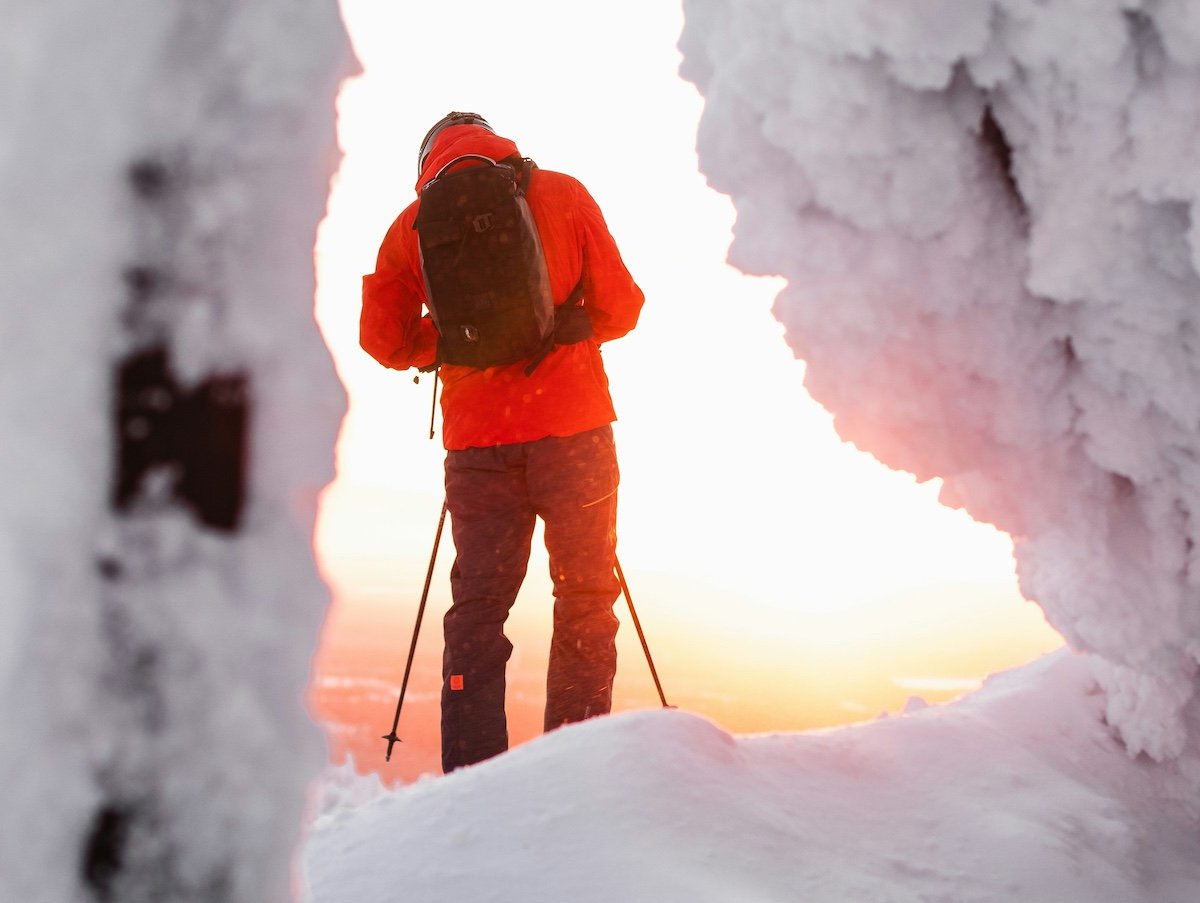
When searching for the best Patagonia jacket for skiing, one should consider key features that accommodate the rigors and bliss of the slopes. Patagonia, a brand known for its commitment to sustainability and quality, offers a range of jackets that are specifically designed to enhance the skiing experience. From resort skiing to backcountry adventures, there’s a Patagonia jacket tailored for every type of skier. These jackets are built with a focus on waterproofing, insulation, and mobility, ensuring skiers stay dry, warm, and unrestricted as they navigate the mountain terrain.
When choosing a Patagonia jacket for skiing, you want to look for features that cater to the specific needs of the sport, such as warmth, waterproofing, breathability, and mobility. Patagonia offers several jackets that are well-suited for skiing. Here are some top options:
- Patagonia SnowDrifter Jacket: This jacket is designed specifically for backcountry skiing and snowboarding. It’s made with a stretchy, breathable, and waterproof H2No® Performance Standard shell, which is ideal for active pursuits in the snow.
- Patagonia Powder Bowl Jacket: This is a versatile, all-around ski jacket made with a GORE-TEX 2-layer shell that provides durable waterproof and windproof protection. It’s designed with a relaxed fit that allows for layering and full mobility.
- Patagonia Primo Puff Jacket: For colder conditions, the Primo Puff Jacket offers significant insulation with its advanced, water-resistant PlumaFill synthetic insulation, which mimics the structure of down for excellent warmth. It also features a GORE-TEX 2-layer shell for waterproof protection.
- Patagonia Insulated Snowbelle/Snowshot Jacket: These are insulated options that offer a combination of warmth and waterproof protection with their H2No® Performance Standard shell and Thermogreen® synthetic insulation. They are designed with skiing in mind, featuring a powder skirt, underarm venting, and a helmet-compatible hood.
- Patagonia Untracked Jacket: This jacket is built for freeride and backcountry enthusiasts. It’s equipped with a GORE-TEX 3-layer shell, which provides top-notch waterproof and breathable performance. It also has a soft brushed tricot backer for added comfort.
When selecting a Patagonia jacket for skiing, consider the type of skiing you’ll be doing (resort, backcountry, freeride, etc.), the typical weather conditions, and your personal preference for insulation versus shell layers. Always check the latest models and reviews to get the most current information on performance and fit before making your purchase.
Design and comfort are paramount when selecting a ski jacket. Patagonia’s best resort/downhill ski jackets, like the Insulated Powder Town, are praised for their optimal blend of comfort and warmth, making long days on the mountain a pleasure rather than a challenge. With varying levels of insulation such as the Thermogreen technology, these jackets provide dependable warmth without the bulk. Furthermore, key elements such as durable water-repellent (DWR) finishes and ripstop fabrics are incorporated to keep the elements at bay while maintaining lightness and durability.
Care and maintenance of ski jackets contribute significantly to their longevity and performance. Following Patagonia’s garment care guidelines will ensure that the technical features of the ski jackets continue to function as intended over time. When choosing a ski jacket, it is important to select one that not only fits your skiing environment but also aligns with your values and requirements. Patagonia’s ski jackets offer a combination of functionality and ethical manufacturing, making them a conscientious choice for skiers looking to invest in high-quality gear.
Key Takeaways
- Patagonia ski jackets provide essential waterproofing, insulation, and comfort for all skiing environments.
- Features like Thermogreen insulation and DWR finishes enhance warmth and weather resistance.
- Proper care and selection based on the skiing context extend the life and efficacy of the jacket.
Key Features of Patagonia Ski Jackets
When choosing Patagonia ski jackets, we focus on advanced shell technology, varying insulation options, superior breathability, lightweight yet functional design, robust materials, and a commitment to sustainability.
Shell Technology and Waterproofing
Patagonia ski jackets incorporate high-tech shell fabrics such as GORE-TEX and their proprietary H2No performance standard, which provide excellent waterproofing. Jackets are treated with a DWR (Durable Water Repellent) finish that causes water to bead up and roll off the fabric. Many of the DWR treatments are now PFC-free, minimizing their environmental impact.
Insulation Types
Our lineup offers a range of insulations to match the warmth needs of any skier. We have jackets with PlumaFill and Thermogreen synthetic insulations that mimic down but retain warmth when wet. For those who prefer natural insulation, we use down with a high fill-power rating or top-tier synthetic insulations like PrimaLoft Gold Insulation.
Breathability and Ventilation
Breathability is paramount when skiing. We ensure our ski jackets allow moisture to escape, keeping you dry from the inside. Features such as pit zips add extra ventilation options for high-output activities, especially useful in the backcountry where breathability is as vital as protection from the elements.
Weight and Mobility
We strive to reduce the weight of our ski jackets without compromising on functionality. This results in lightweight and flexible garments, enhancing mobility for those swift turns and dynamic movements. The Stormstride Jacket, for example, is specifically noted for being Patagonia’s lightest ski jacket.
Durability and Materials
Constructed with materials such as nylon ripstop and recycled polyester, our jackets are designed to be durable while supporting environmental responsibility. Many jackets feature reinforced high-wear areas, ensuring longevity even with heavy use on the slopes.
Eco-Friendly Practices
Our commitment to sustainability is evident in our eco-friendly practices. We use recycled materials across various products, ensuring they are Fair Trade Certified and made in a way that minimizes our ecological footprint. All the while, these practices are maintained without sacrificing the quality or performance of our ski jackets.
Design and Comfort Features
In this section, we’ll examine the Patagonia ski jackets’ design and comfort features, focusing on how they enhance your skiing experience through intelligent fit, thoughtful pocket configurations, and added elements for warmth and comfort.
Fit and Layering System
Patagonia ski jackets are designed with a fit that balances freedom of movement with space for layering. When considering base layers, options like the R1 Air provide breathability and moisture wicking, essential for a comfortable day on the slopes. For midlayers, choices may include a down sweater or a lightweight synthetic jacket. Patagonia jackets often offer enough room for proper layering without compromising mobility, vital for skiers who move dynamically.
Hood and Pocket Configuration
The hood design is helmet-compatible, ensuring that it fits comfortably over your ski helmet without restricting vision or movement. As for pocket configuration, the strategically placed chest pocket is easily accessible, even when wearing a backpack or harness. Handwarmer pockets are often lined with fleece for added comfort, providing a cozy refuge for your hands during cold days on the mountain.
Additional Comfort Elements
Our jackets usually include additional features to boost comfort. Look for details like a soft, microfleece-lined collar to prevent chafing against the chin and cheeks. Ventilation systems, such as pit zips, allow for temperature regulation—a key aspect of comfort. The stretch component in some shell fabrics offers an extra range of movement, enhancing overall comfort whether you’re on a chairlift or carving down slopes.
Selection Guide for Different Environments
In selecting the best Patagonia jacket for skiing, it’s crucial to consider the specific environment you’ll be navigating. We’ll evaluate jackets designed for backcountry, resort skiing, and extreme alpine conditions, focusing on weatherproofing and protection.
Backcountry Skiing Essentials
When venturing into the backcountry, your jacket must balance weatherproofing with breathability. We recommend a jacket like the Patagonia SnowDrifter which provides robust protection without sacrificing ventilation. Here are its key features:
- Weatherproof: Built with a durable water-repellent (DWR) finish.
- Utility: Includes critical elements like a powder skirt to keep snow out.
A ski shell, preferably with a helmet-compatible hood, is also a wise choice – it offers versatility to layer according to changing conditions.
Resort and Casual Skiing
At a resort, comfort and convenience take precedence. An option like the Insulated Powder Town Jacket serves well with these features:
- Insulation: Utilizes 80g synthetic fill for warmth even on lift rides.
- Storage: Ample pockets for essentials and a ski pass.
For those clear but cold days, consider a jacket with less bulk that still provides warmth, like the DAS Light Hoody for layering.
Extreme Cold and Alpine Conditions
Alpine conditions can be harsh, demanding the best in insulation and weather protection. The Micro Puff Storm or a high-loft down jacket may be optimal for these scenarios. Key aspects include:
- Extreme Insulation: Look for a high fill-power down or advanced synthetic options.
- Weather Resistance: Ensure a high-quality DWR finish to ward off moisture.
A jacket functional in extreme cold typically includes a reinforced hood and adjustable cuffs for complete coverage against the wind and snow.
Ski Jacket Variations
In our exploration of Patagonia ski jackets, we’ll discover how specific designs cater to different needs, delve into key models and their unique features, and consider the versatility of 3-in-1 and modular options.
Men’s and Women’s Specific Designs
We recognize the importance of anatomical differences in apparel. Patagonia’s ski jackets often provide men’s and women’s specific models, ensuring optimal fit and comfort. The designs factor in the distinctive body shapes and sizes, providing jackets that look and perform well for everyone. For instance, Nano Puff jackets come tailored for both men and women, featuring lightweight and compressible insulation.
- Men’s Specific Designs: Focus on broader shoulder cuts and longer torso lengths.
- Women’s Specific Designs: Feature a tapered waist and contoured shape.
Key Models and Their Features
Each Patagonia ski jacket model is equipped with unique features to enhance performance on the slopes.
- Nano Puff: Offers lightweight, packable, and synthetic insulation suitable for layering.
- SnowDrifter: Balances breathability and waterproof protection, ideal for backcountry treks.
- Powder Town: Known for its robust waterproofing and ample insulation.
- R1 Air: A fleece jacket that excels in breathability and moisture-wicking for active use.
Jackets like Powder Town stand out with options like the 60g synthetic fill, while more advanced models may incorporate an 80g fill for heightened warmth.
3-in-1 and Modular Options
We find the 3-in-1 and modular jacket designs to be particularly versatile. These options allow for easy layering and adaptability to changing weather conditions.
- 3-in-1 Jackets: Combine a waterproof outer shell with an insulating layer that can be detached and worn separately.
- Modular Options: May include additional components like a removable fleece or a lightweight shell for a tailored approach to layering.
The 3-in-1 Powder Town model provides an excellent example with its insulated version and a more adaptable 3-in-1 variation, featuring layers that can be worn together or independently.
Care and Maintenance Tips
In our experience with Patagonia skiing jackets, we know that proper care and maintenance extend the life and performance of your gear. We’ll guide you through cleaning, storage, and strategies to maintain water resistance as well as repair tips to ensure durability.
Cleaning and Storage
Cleaning Your Jacket:
- Pre-Clean: Inspect the jacket for stains, spot-clean with a down-safe or soft shell-friendly detergent.
- Washing: Use a front-loading machine on a gentle cycle with cold water and a mild powder detergent.
- Rinsing: Ensure the detergent is thoroughly rinsed, possibly by running an extra rinse cycle.
Storing Your Jacket:
- Ensure it’s fully dry before storage to prevent mold and odor.
- Store in a dry, cool place away from direct sunlight.
- Avoid compressing your jacket in storage, which can damage the insulation.
Prolonging Water Resistance
Maintaining DWR Coating:
- Cleaning: Dirt and oils can compromise water resistance, so regular cleaning is key.
- Reapplying DWR: After washing, reapply a PFC-free DWR spray if water no longer beads off the fabric surface.
Nylon Ripstop Fabrics:
- Handle with care, as sharp objects can tear the fabric.
- If the jacket is damaged, applying a patch or professional repair can maintain water-resistant properties.
Repair and Longevity Strategies
Repair Over Replacement:
- Whenever possible, repair small tears or damage to prolong your jacket’s life.
- Many Patagonia jackets are made with durable materials like nylon ripstop, enhancing their longevity with proper care.
Professional Repair Services:
- For significant damage, utilize Patagonia’s repair services to ensure the jacket is restored to its best condition.
- Keep in mind, that frequent care and minor repairs can prevent the need for more extensive and costly fixes.
By following these tips, we can maintain the excellent performance and longevity of our Patagonia ski jackets. Regular care not only makes our gear last longer but also supports sustainability by reducing the need for frequent replacements.
Purchasing Advice
When selecting a ski jacket from Patagonia, it’s crucial to ensure that you get the best value for your money. We’ll focus on balancing quality with your budget and making the right long-term investment.
Balancing Quality and Budget
For those looking to purchase a Patagonia ski jacket, finding the right balance between quality and budget can be challenging. Here are some details to consider:
- Quality: We prioritize durability and weather protection in our jackets. Ripstop nylon is commonly used for the outer shell, providing resilience against tears.
- Budget: Patagonia offers various price points, with the Micro Puff Storm boasting lightweight insulation without compromising your budget. For an affordable option, Thermogreen insulation can be a cost-effective alternative.
Making the Right Investment
Investing in the right Patagonia ski jacket ensures longevity and performance:
- Investment: We consider jackets such as the Stormstride to be sound investments due to their lightweight design and versatility.
- Value: Assessing value beyond just the price tag, we also consider the potential long-term savings from a durable jacket that won’t need replacing for many seasons.
By focusing on these aspects, we advise on the best approach to selecting a Patagonia ski jacket that suits both your skiing needs and financial considerations.
Frequently Asked Questions
In this section, we’ll address common queries regarding the selection and performance of Patagonia ski jackets, helping you make an informed choice for your next winter adventure.
What are the top features to look for in a Patagonia ski jacket?
When selecting a Patagonia ski jacket, we look for lightweight construction without compromising on weather protection and durability. Features such as pit zips for ventilation, appropriate insulation, and helmet-compatible hoods are vital.
How does Patagonia’s Powder Town Jacket perform for skiing?
The Powder Town Jacket is designed with skiing in mind, featuring weatherproof materials and details like a powder skirt to prevent snow entry. Its comfort and practical features make it a reliable choice for skiers.
What are the differences between men’s and women’s Patagonia ski jackets?
Men’s and women’s Patagonia ski jackets differ in fit and sizing to cater to different body shapes. Women’s jackets often have a more tailored fit while maintaining the same level of functionality and feature set as men’s jackets.
How do Patagonia ski shells compare with insulated ski jackets?
Patagonia ski shells offer versatility with layers, making them suitable for a range of temperatures, whereas insulated jackets provide built-in warmth that’s optimal for cold conditions. The choice between them depends on the weather and personal preference for layering.
What makes a ski jacket suitable for extreme cold weather conditions?
For extreme cold, a jacket should have high-quality insulation, such as Patagonia’s Traceable Down, and features like storm flaps and adjustable cuffs to seal in warmth and keep out the elements.
Can you compare the performance of Patagonia and North Face ski jackets?
While both Patagonia and North Face provide high-performance ski jackets, they both have their unique technologies and designs. Patagonia often focuses on sustainability and durability, while North Face offers a wide range with different technical features tailored to varied skiing conditions.
