
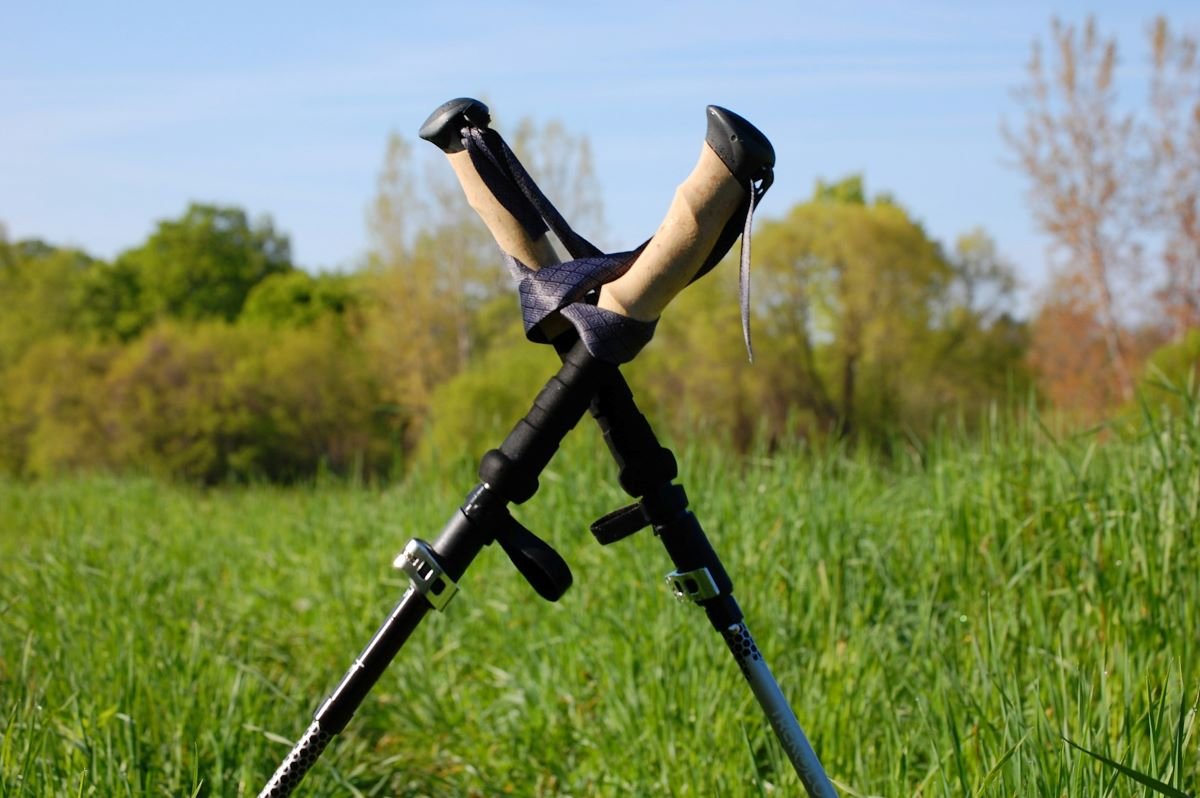
Trekking poles are essential for anyone serious about hiking. They offer support and improve trail balance. They’re not just for challenging hikes; they make any terrain more manageable and enjoyable.
For those looking for the best trekking poles in 2025, brands like Black Diamond, LEKI, and Trekology offer top-notch options catering to various hiking needs.
When choosing trekking poles, factors like weight, durability, and locking mechanisms come into play. Knowing the importance of each feature helps us select the right poles for our hiking style, whether trail running or thru-hiking.
Ultralight poles are ideal for long hikes, while more robust options provide stability on rocky paths.
Popular poles are known for combining lightweight materials with ergonomic designs, ensuring comfort and reducing fatigue over miles of hiking. Understanding the range of features available empowers us to make informed choices, which is why researching these options is crucial.
Key Takeaways
- Trekking poles enhance stability and enjoyment in various terrains.
- Weight, durability, and locking mechanisms are key in choosing the right poles.
- Top brands offer options that cater to different hiking needs and preferences.
The Importance of Trekking Poles
Trekking poles are key in ensuring balance and energy distribution during hikes. They make a big difference in how we experience various terrains and manage the strain on our bodies.
Balance and Stability
When we hike uneven trails, trekking poles become invaluable for maintaining balance and stability. They act like extra limbs that help us stay steady over rocks and roots. This can be especially helpful when navigating slippery or steep paths.
Having the added support allows us to travel safely through challenging terrain. Trekking poles help reduce the risk of falls by providing additional points of contact with the ground. This can particularly benefit those carrying heavy backpacks or trekking in bad weather conditions.
Distribution of Effort
Trekking poles also help distribute effort across our bodies, reducing the strain on legs and knees. By engaging the arms and shoulders, poles support our weight and lessen the load on joints, which can be especially useful during long hikes.
This enhanced weight distribution contributes to greater hiking efficiency. Using poles often lets us maintain a more even pace and be less fatigued over long distances. This can give us more energy to enjoy the hike and explore longer without feeling overly tired.
Types of Trekking Poles
Understanding the different types of trekking poles helps us choose the right one for our hiking needs. Here, we explore key features and benefits of various materials and designs, including carbon fiber and aluminum construction, as well as collapsible and fixed-length options.
Carbon Fiber Poles
Carbon fiber poles are popular for their lightweight design. They help reduce fatigue on long hikes, making them an excellent choice for those prioritizing weight over durability.
The flexibility of carbon fiber can also absorb some vibrations, providing a smoother trekking experience. While these poles are light but not as durable under heavy loads. We need to be cautious on rough terrain, as they might be prone to snaps and cracks if mishandled.
Carbon fiber poles are usually more expensive than other materials. We should consider our budget and hiking habits when deciding if they are worth the investment.
Aluminum Poles
Aluminum poles are known for their durability and affordability. They are slightly heavier than carbon fiber but can withstand more demanding conditions, making them a solid choice for rugged hikes.
These poles handle impacts well, so aluminum is a reliable option if we tend to trek through rocky or challenging landscapes. They also suit those with a tighter budget, offering good performance without breaking the bank.
However, the extra weight might not suit everyone, especially for long trekking trips. Ensuring the right balance between weight and strength can significantly enhance our hiking experience.
Collapsible Poles
Collapsible poles offer convenience as they fold down into a compact size. They are ideal for travelers who need to pack efficiently or use their poles only during certain parts of their hike.
Most collapsible models come with easy locking mechanisms, allowing us to quickly adjust the pole length on different terrains. Z-type foldable designs are especially handy, folding into thirds for easy storage. While portable and versatile, collapsible poles sometimes compromise on rigidity compared to fixed-length alternatives.
When choosing, we should focus on the quality of the locking system to ensure it holds up over time and doesn’t slip during use.
Fixed-Length Poles
Fixed-length poles are simple by design, offering reliability without any moving parts. They are typically lighter than adjustable options since they lack locking mechanisms.
These poles are straightforward, which can appeal to minimalist hikers who want to avoid potential malfunctions. We find fixed-length poles to be efficient on consistent, non-varied trails where we know the pole length will suit the entire hike.
However, the lack of adjustability can be a downside on diverse terrain where flexibility in length is needed. It’s crucial to choose a length that suits our usual hiking elevation and style.
Selecting the Right Trekking Pole
When it comes to choosing trekking poles, several factors like length, adjustability, weight, and grip style can significantly enhance our hiking comfort and performance. Using poles that suit our specific needs makes our adventures smoother and more enjoyable.
Length and Adjustability
Adjustable trekking poles are essential for hikers. They let us set the right length for our height and different terrains. This makes uphill climbs and downhill descents easier.
Most adjustable poles use flick-lock or twist-lock mechanisms. Flick-locks are popular because they are reliable and easy to use. They allow us to fine-tune the poles quickly and securely.
For those who prefer lightweight gear, fixed-length poles might be worth considering. However, they lack the flexibility of adjustable models.
Ensuring the length is suited to our height and hiking style is crucial. A general guideline is that our elbow should form a 90-degree angle when holding the pole. This reduces strain on our arms during long hikes.
Weight and Packability
Lightweight trekking poles reduce fatigue, especially on long treks. Materials like carbon fiber make poles light, offering significant weight savings. However, they can be costly.
Aluminum poles, while heavier, are durable and more affordable, balancing weight and strength well.
Packability is another vital aspect. Some poles are foldable, making them compact and easy to store. This is useful when we encounter steep sections or need hands-free climbing.
Foldable poles often fit into backpacks, while telescopic ones usually strap easily on the outside. Lightweight and packable poles enhance our hiking efficiency by reducing unnecessary strain and providing convenience when not in use.
Grip Types and Comfort
The grip style of trekking poles directly affects comfort over long distances.
Cork grips are popular for their natural feel, moisture absorption, and ability to conform to our hand shape over time.
EVA foam grips are softer and lighter, providing excellent comfort and shock absorption.
Rubber grips are durable and offer good insulation in cold weather, but they may not handle sweat as well as cork or foam.
Ergonomic designs reduce hand strain and improve comfort, especially on longer hikes. Selecting a grip that suits our preference ensures our hands remain comfortable, preventing blisters and discomfort throughout our trek.
Locking Mechanisms Explained
In the world of trekking poles, choosing a reliable locking mechanism is crucial for stability and ease of use. Several types are available, each with distinct advantages. Let’s explore common mechanisms to help us make informed decisions when picking trekking poles.
Lever Locks
Lever locks, often referred to as flip locks, are regarded for their simplicity and effectiveness. These mechanisms operate using a lever that snaps into place, securing the pole sections firmly.
One of the great benefits of lever locks is their adjustability. We can easily change the pole height with just a quick flip, even with gloves on.
Lever locks are popular among many hikers because of their durability and ease of use. They remain secure in various conditions and are generally more reliable than other mechanisms. Frequent hikers who make many adjustments will appreciate the convenience this system offers.
Twist Locks
Twist locks are another common type found on trekking poles. This system involves twisting sections of the pole to lock them into place.
Unlike lever locks, twist locks rely on internal components to secure the pole.
These components often allow for smooth adjustments, but they can sometimes be prone to slippage if not properly tightened.
Twist locks are generally strong but may require a bit more effort to adjust compared to lever locks. Their compact nature makes them ideal for reducing the packed size of trekking poles.
Other Locking Systems
Beyond lever and twist locks, there are some other mechanisms worth mentioning.
Flicklock is a notable example. It is lightweight and easy to handle. It combines elements of lever locks with added features for enhanced security.
Some trekking poles also use combination systems, integrating different locking mechanisms for improved versatility. These systems cater to specific needs and preferences, providing more options for those seeking customized equipment. Understanding each mechanism’s function can help ensure we select the best pole for our adventures.
Durability and Construction
Durability and construction are key factors when it comes to trekking poles. They determine how long poles will last and how they handle different terrains. Quality materials play a big role, as does the overall design. There is also a choice between carbon and aluminum, each offering distinct advantages in terms of durability.
Quality of Materials
The materials used in trekking poles define their lifespan and performance. Our exploration focuses on carbon fiber and aluminum as the primary materials.
Carbon fiber is known for its lightweight and strong composition. It excels in shock absorption and performance in tough conditions.
Meanwhile, aluminum poles are robust and can withstand heavy use without breaking. They offer peace of mind when navigating rocky areas. The choice between these materials depends on balancing weight with strength.
Design for Durability
A pole’s design is just as important as its material. Good designs incorporate features that boost durability.
Lever locks provide a secure and adjustable fit. This prevents poles from collapsing unexpectedly.
Grip materials, like EVA foam or cork, help improve handling under wet conditions. They also enhance comfort, a critical factor on long treks.
Some poles include shock-absorbing tech. This reduces impacts on rough trails, adding to lifespan.
Paying attention to these design elements can greatly extend the durability of trekking poles.
Carbon vs. Aluminum Durability
Choosing between carbon and aluminum affects a trekking pole’s durability.
Carbon fiber poles are light and stiff, providing excellent performance. However, they can be prone to snapping under extreme stress. They are best suited for those who prioritize lightweight gear.
Aluminum poles emphasize resilience and reliability. Though heavier, they withstand greater force and bending, making them ideal for extended trips or harsh environments.
Understanding these differences helps us decide which material suits our trekking style best.
Trekking Pole Accessories
When we think of trekking poles, accessories might not be the first thing that comes to mind. However, they play a crucial role in enhancing performance and comfort during hikes. Key accessories include trekking baskets, tip protectors, and various replacement parts.
Trekking Baskets
Trekking baskets are small discs attached near the tip of the poles. They prevent poles from sinking too deeply into soft surfaces like snow or mud.
There are different types, such as snow baskets and mud baskets.
Snow baskets are broader and more effective in deep snow. Mud baskets, on the other hand, are smaller and suited for muddy trails.
Choosing the right baskets depends on the terrain we’re tackling. Our hiking conditions must be considered when selecting these baskets.
Tip Protectors
Tip protectors are made of rubber and fit over the metal tips of trekking poles. They offer protection for carbide tips and reduce wear on hard surfaces like rocks or pavement. Besides prolonging the life of the poles, they also help reduce noise and prevent scratches on sensitive surfaces.
Some of us prefer using tip protectors when going through urban or rocky paths for extra grip and stability.
It’s easy to attach and detach them as needed.
Replacement Parts
Replacement parts can extend the lifespan of our trekking poles. Common parts include tips, baskets, and straps.
Over time, metal tips wear out, especially on rugged terrain, and replacing them ensures the poles perform optimally.
Baskets might snap or wear down with use, so having spares ensures we don’t lose functionality mid-hike.
Straps are another component that can fray or break, and having replacements allows us to keep our poles secure.
Keeping a small kit of essential replacement parts can make a big difference, ensuring that we are always prepared on the trail.
It’s always wise to check our poles regularly and replace any worn-out components before hitting the trail again.
Performance Features
In exploring the performance features of trekking poles, we focus on elements like shock absorption and how they contribute to reducing strain on our joints.
Traction enhances our grip on various terrains, and efficiency in movement ensures we maintain energy over long distances.
Shock Absorption
Shock absorption is essential for minimizing the impact on our wrists and knees, especially during downhill treks. Many poles have built-in systems that reduce the jarring effect felt with each step. Spring-loaded mechanisms and rubber tips are common in models that excel in this area.
By lessening strain, these features promote a more comfortable hiking experience, allowing us to travel longer distances without discomfort.
Choosing poles with effective shock absorption can be crucial for those with joint concerns or on rocky trails.
Traction and Terrain
Trekking poles must offer reliable traction to maintain stability across diverse terrain. The materials and design of the pole tips directly influence grip.
Carbide and rubber tips are popular for their versatility, providing a firm hold on both wet and dry surfaces.
For icy or muddy environments, interchangeable baskets and tips enhance our ability to adapt quickly.
By selecting poles that grip well, we enhance our safety and confidence on challenging hikes.
Efficiency and Movement
Efficiency in our movement is characterized by the pole’s weight, length adjustment, and ergonomic design.
Lightweight materials like carbon fiber help reduce fatigue, making them ideal for extended trekking. Adjustable poles allow us to tailor the height to the terrain, ensuring optimal leverage and flexibility.
Ergonomically designed handles provide comfort, reducing hand fatigue.
Features such as these ensure smooth movements, conserving energy on long trails.
We improve our hiking endurance and enjoyment by choosing poles with these efficiency traits.
Trekking Poles for Specific Activities
Choosing the right trekking poles depends on the activity. Whether we’re hiking, running on trails, or skiing, different poles can enhance our experience with features suited to each activity.
Hiking and Backpacking
When preparing for a hiking or backpacking trip, trekking poles that are durable and comfortable are essential.
They should have adjustable lengths to accommodate different terrains and slopes. Look for poles with comfortable grips and straps to reduce hand fatigue. Materials like aluminum or carbon fiber provide a balance between weight and strength.
It’s important to pick poles with a good swing weight, which makes them easier to maneuver as we walk.
Shock absorption features can also protect our joints during long hikes on trails like the Pacific Crest Trail or the Oregon Coast Trail.
Thru-Hiking
For those of us who enjoy thru-hiking, having lightweight and compact poles is crucial.
Carbon fiber trekking poles are popular because they are lightweight, which reduces fatigue over extended trips. Features like collapsible or foldable designs ensure they can be easily stowed away when not used.
Good trekking poles for thru-hiking should accommodate a range of terrains, from steep slopes to flat plains.
Reliable poles with adjustable heights and cushioned grips enhance comfort and efficiency.
Trail Running
In trail running, we need trekking poles that are light and easy to carry. Folding or telescoping poles are ideal; they can fit into a backpack when not needed.
Grips made from foam or other lightweight materials ensure our hands don’t tire quickly.
These poles should offer quick deployment so we can take them out on the trail’s steep climbs or technical sections.
The weight of the poles is key; options under a pound are often best for maintaining pace and agility on challenging routes.
Snowshoeing and Skiing
For snowshoeing and skiing, trekking poles equipped with wide baskets are necessary to prevent them from sinking into the snow.
We should look for poles that are both lightweight and strong to withstand cold conditions. Materials like carbon fiber are excellent for their lightness and durability.
Adjustable poles are very helpful as they allow us to modify the length for different slopes or terrain types.
When backcountry skiing, poles with comfortable, insulated grips can keep our hands warm and secure, adding comfort even in icy conditions.
Brands and Models to Consider
Certain brands stand out when choosing trekking poles for their quality and innovation. Some offer great value for those on a budget, while others excel in providing lightweight options for serious hikers.
Top Industry Brands
Among the top brands, Black Diamond and LEKI consistently offer high-quality trekking poles.
Black Diamond’s models, like the Distance Carbon Z and Pursuit Trekking Poles, are praised for their durability and lightweight designs. On the other hand, LEKI is renowned for comfortable grips and versatile designs, with models like the Makalu FX Carbon and Cressida FX Carbon providing excellent adjustability and support.
REI’s offerings, such as the Flash Carbon, are also worthy of consideration. They are known for reliable performance in various trail conditions.
Budget-Friendly Options
For affordable options, brands like Cascade Mountain Tech and Trekology provide great value.
Cascade Mountain Tech poles are known for their reliable aluminum construction, making them affordable yet durable. The Trekology Trek-Z 2.0 offers an excellent combination of adjustable design and comfort at a reasonable price point.
Montem Ultra Strong poles are another budget-friendly choice, offering good performance without breaking the bank. These options are ideal for casual hikers who want reliability without a high cost.
Best Ultralight Trekking Poles
Ultralight poles cater to those who prioritize minimal weight for long hikes.
Gossamer Gear LT5 poles are among the lightest in the market, making them perfect for reducing trail load. Black Diamond’s Distance Carbon FLZ and LEKI Black Series FX Carbon are other top picks in this category, offering lightweight designs without sacrificing performance.
MSR Dynalock Ascent Carbon poles, featuring robust carbon fiber construction, are also favored for their balance between weight and strength. These choices ensure comfort and efficiency for lengthy trekking adventures.
Frequently Asked Questions
We have gathered important questions about choosing trekking poles. In this section, we cover terrain types, grip materials, features for beginners, differences between hiking and trekking poles, and comparisons of lightweight options. We also discuss if expensive brands are worth the cost.
How to choose the best trekking poles for different terrain?
When picking trekking poles for different terrains, consider adjustability and materials.
Adjustable poles are useful for steep or uneven ground. Aluminum poles are durable for rocky paths, while carbon fiber poles are lighter for long treks on softer trails.
What are the pros and cons of cork versus foam grips on trekking poles?
Cork grips are great for absorbing sweat and reducing vibration. They tend to mold to your hands over time, offering comfort. Foam grips, on the other hand, are softer and more affordable but can wear down quicker. Both have their benefits depending on your preference.
What features should beginners look for when purchasing trekking poles?
Beginners should look for lightweight poles with adjustable lengths. These make it easy to find a comfortable fit. An ergonomic grip can also enhance comfort over long hikes. Consider poles with a reliable locking mechanism to ensure stability.
What are the differences between hiking poles and trekking poles?
Hiking poles are often simpler, with fewer features, and are mainly used for stability on trails. Trekking poles, however, are more specialized. They offer more adjustability and support for challenging terrains and carrying heavy loads. Trekking poles are often preferred for harsher and more varied conditions.
How do lightweight and ultralight trekking poles compare in durability and performance?
Lightweight trekking poles balance weight and durability well, making them a good choice for general use.
Ultralight poles are beneficial for speed and ease of carry but may sacrifice some strength and durability. When deciding between the two, assess your needs and typical hiking conditions.
Are expensive trekking poles like Leki worth the investment over budget options?
Expensive trekking poles like Leki often provide advanced features and greater durability. They may include shock absorption and ergonomic grips.
Budget options, while often sufficient, might not last as long or offer as much comfort.
Evaluate how often and intensively you will use the poles to determine if the investment is worthwhile.
