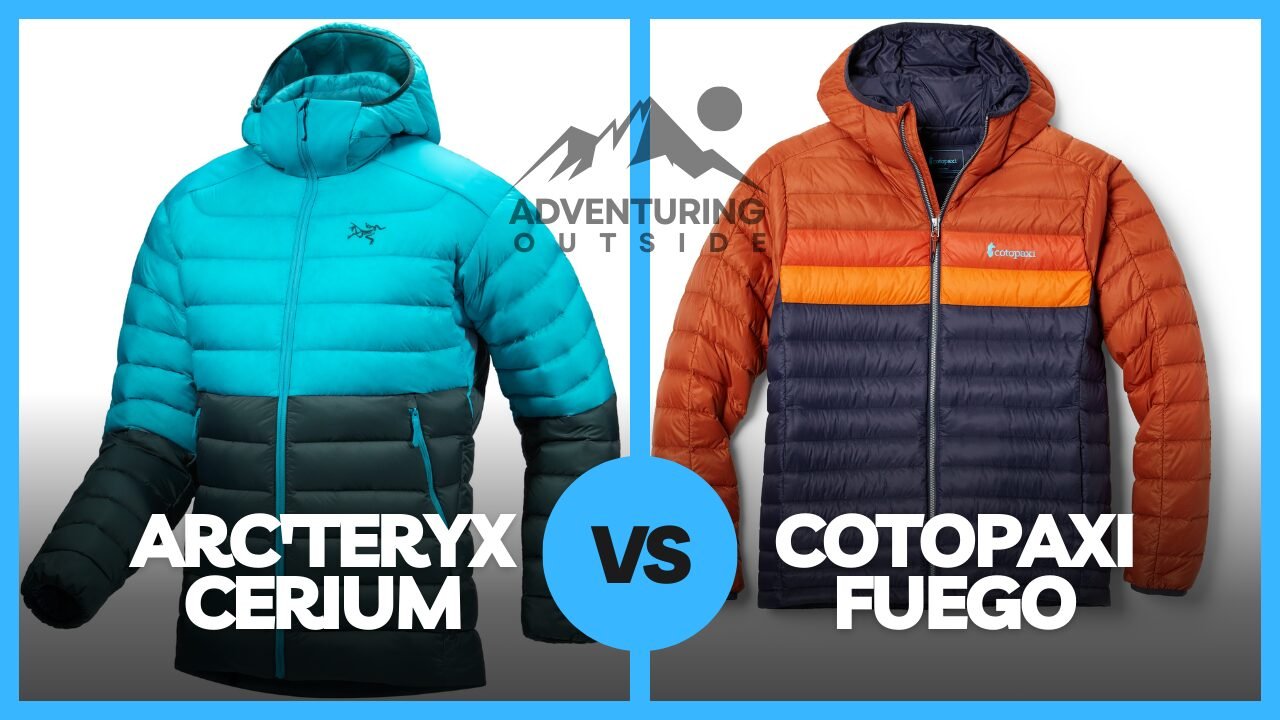
Outdoor enthusiasts seeking a versatile and reliable jacket for their adventures often find themselves torn between two notable options: the Cotopaxi Fuego and the Arc’teryx Cerium. Both these jackets are designed to deliver warmth, comfort, and performance in harsh outdoor conditions, but they also have their distinct features and benefits. The Fuego, from the philanthropic gear company Cotopaxi, is known for its unique colorways and socially responsible manufacturing, while the Cerium from the high-performance brand Arc’teryx stands out for its technical precision and minimalist design.
The Cotopaxi Fuego and Arc’teryx Cerium jackets employ different materials and construction techniques to achieve their insulation goals. The Fuego typically uses responsibly sourced down paired with a durable, water-resistant outer shell, catering to both eco-conscious consumers and practicality. The Cerium, alternatively, focuses on a blend of down and synthetic insulation to enhance warmth retention and offers a more streamlined fit geared towards dynamic activities. Both jackets are packed with features designed to maximize outdoor comfort, but each serves different user preferences and requirements.
Key Takeaways
- Both Cotopaxi Fuego and Arc’teryx Cerium provide quality insulation and comfort for outdoor activities.
- The Fuego emphasizes ethical production and distinctive styling, while the Cerium offers technical features for performance.
- Material choices and design approaches differ between the two, catering to various preferences and needs.
Overview of Cotopaxi Fuego and Arc’teryx Cerium Jackets
The Cotopaxi Fuego and Arc’teryx Cerium are high-performance down jackets intended for outdoor apparel enthusiasts who seek warmth, comfort, and style. Both jackets feature quality insulation and are designed for cold weather conditions, but they serve their purposes with unique sets of features.
Cotopaxi Fuego:
The Fuego jacket is known for its vibrant color schemes and ethical production practices. It uses 800-fill responsibly sourced goose down, ensuring strong heat retention without the bulk. The jacket is equipped with a water-resistant shell, making it versatile for various weather conditions. Cotopaxi emphasizes its commitment to social responsibility with every Fuego jacket sold.
- Material: Nylon with a water-resistant finish
- Insulation: 800-fill-power goose down
- Features: Elastic binding at the cuffs, adjustable drawcord at the hem
- Pockets: Zippered hand pockets, internal stash pockets
Arc’teryx Cerium Hoody:
The Arc’teryx Cerium Hoody is a technically advanced jacket that integrates down insulation with synthetic material strategically placed in moisture-prone areas. This hoody is tailored for serious outdoor adventurers, providing exceptional warmth-to-weight ratio and compactibility.
- Material: Arato™ nylon shell with DWR (durable water repellent) finish
- Insulation: 850-fill-power European white goose down with Coreloft™ synthetic insulation
- Features: Down Composite Mapping™, adjustable storm hood, trim fit for layering
- Pockets: Zippered hand pockets, internal security pocket
Both jackets are designed with an emphasis on mobility and function, catering to those engaging in outdoor activities. They offer lightweight construction and are easily packable, making them a favorite for hikers, climbers, and travelers alike.
Materials and Construction
When comparing the Cotopaxi Fuego and Arc’teryx Cerium, the materials and construction play a pivotal role in their performance. Both jackets utilize high-quality insulation and shell materials, prioritizing durability and environmental responsibility.
Insulation Type
- Cotopaxi Fuego: It features 800-fill power water-resistant goose down.
- Down Insulation: Superior warmth-to-weight ratio.
- Arc’teryx Cerium: Uses a combination of 850-fill power European white goose down and Coreloft™ synthetic insulation.
- Synthetic Insulation: Located in moisture-prone areas to maintain warmth when wet.
Shell Fabric
- Cotopaxi Fuego:
- Shell: 20D giant-ripstop nylon with a DWR (durable water repellent) finish.
- DWR Finish: Enhances water resistance.
- Arc’teryx Cerium:
- Shell: Arato™ 10 nylon with a DWR finish.
- Ripstop Nylon: Lightweight and resistant to tearing.
Environmental Impact
- Cotopaxi Fuego:
- Sustainability: Focuses on using responsibly sourced down and recycled materials.
- Recycled Polyester: Used in select components for environmental betterment.
- Arc’teryx Cerium:
- Environment-Friendly Practices: Implements a down coding system to ensure ethical sourcing.
- Bluesign® Approved Fabric: Signifies sustainable production methods and chemical management.
Design and Features
The Cotopaxi Fuego and the Arc’teryx Cerium jackets bring distinctive design elements and features that cater to outdoor enthusiasts. Each brand has approached packability, adjustability, and pocket configuration with their unique signature.
Hood Design
The Cotopaxi Fuego features an adjustable hood that can be tailored to fit snugly, providing additional warmth and protection. The Arc’teryx Cerium, on the other hand, opts for a more streamlined hood design that is less adjustable but offers a comfortable fit and is designed to work well under a helmet.
Pocket Configuration
Pockets are essential for convenience and warmth.
- Cotopaxi Fuego:
- 2 hand pockets
- No chest pocket
- Arc’teryx Cerium:
- 2 hand pockets
- Includes a chest pocket, which doubles as a stuff sack for easy packability
Adjustability and Fit
Both jackets offer unique adjustability options.
- The Cotopaxi Fuego jacket has an adjustable hem, which allows the wearer to tighten or loosen the bottom of the jacket for a custom fit and to keep the elements out.
- The Arc’teryx Cerium also offers an elasticized hem but adds an additional feature with its adjustable hood, giving a more precise fit around the face.
Packability Features
Packability is a key function for outdoor gear, and both jackets offer features to stow away easily.
- Cotopaxi Fuego:
- Comes with a separate stuff sack
- Design allows for compression without bulky zippers
- Arc’teryx Cerium:
- Utilizes its chest pocket as an integrated stuff sack
- Known for its high-compressibility down, it packs down extremely well for light travel.
Warmth and Comfort
Choosing between the Cotopaxi Fuego and the Arc’teryx Cerium involves considering their warmth-to-weight ratio, layering compatibility, and specific design features like collars and cuffs that enhance warmth and comfort.
Warmth-to-Weight Ratio
The Cotopaxi Fuego jacket is renowned for its high warmth-to-weight ratio, leveraging 800-fill-power duck down to provide excellent insulation while remaining lightweight. It’s tailored for those who need substantial warmth without the bulk.
In contrast, the Arc’teryx Cerium offers a similar warmth-to-weight performance with its 850-fill-power European white goose down. The strategic placement of synthetic insulation in moisture-prone areas ensures warmth retention even in damp conditions.
Layering Compatibility
Layering plays a crucial role in outdoor comfort and temperature regulation. The Cerium‘s trim fit allows for seamless layering under a hardshell, making it ideal for diverse climatic conditions. This compatibility is a standout feature for outdoor enthusiasts seeking versatility.
The Fuego is slightly roomier and can accommodate additional layers underneath, which can be advantageous in extreme cold. However, this may affect the jacket’s compatibility with a very snug overlayer.
Collar and Cuff Design
Both jackets prioritize comfort around high-movement areas, such as the neck and wrists. The Cotopaxi Fuego features a tall collar with a zipper garage to protect against chafing and preserve neck warmth.
The Arc’teryx Cerium, on the other hand, has a low-profile collar designed to fit comfortably beneath an outer shell, and its minimalistic stretch-knit cuffs minimize bulk while maintaining a secure fit on the wrists to trap heat.
Performance in Outdoor Conditions
When comparing the Cotopaxi Fuego and the Arc’teryx Cerium, one must consider how they perform against elements like water, wind, and through various wear and tear scenarios.
Water and Wind Resistance
The Cotopaxi Fuego is equipped with a DWR (Durable Water Repellent) finish that provides a degree of water resistance, making it suitable for light precipitation. However, it is not fully waterproof. In contrast, the Arc’teryx Cerium also features a DWR coating, yet it benefits from strategically placed synthetic insulation in areas prone to moisture, enhancing its water resistance.
- Cotopaxi Fuego: Water-resistant (DWR finish)
- Arc’teryx Cerium: Water-resistant (DWR finish + synthetic in moisture-heavy zones)
Both jackets offer wind-resistant capabilities, but the Arc’teryx Cerium’s tighter weave provides superior protection against chilling breezes.
- Cotopaxi Fuego: Wind-resistant
- Arc’teryx Cerium: Highly wind-resistant
Breathability
Breathability is essential for outdoor comfort, and both jackets offer it to an extent. The Cotopaxi Fuego provides ample breathability suited for active use, its less dense insulation allowing air movement. The Arc’teryx Cerium, being more snug and with a denser down filling, might be less breathable, but still adequate for most outdoor activities.
- Cotopaxi Fuego: Good breathability
- Arc’teryx Cerium: Moderate breathability
Durability and Maintenance
Durability and ease of maintenance are critical for longevity. The Cotopaxi Fuego jacket touts a strong ripstop shell that stands up against wear and tear, while it’s also known for easy care, maintaining its performance over time with regular washing.
The Arc’teryx Cerium requires more careful maintenance to preserve its down clusters and lightweight face fabric. However, its construction quality and material choice confer excellent durability against the rigors of outdoor use.
- Cotopaxi Fuego: Durable ripstop fabric, easy care
- Arc’teryx Cerium: High-quality construction, requires careful maintenance
Suitability for Activities
Choosing the right jacket for outdoor activities involves considering warmth, weight, and functionality. The Cotopaxi Fuego and the Arc’teryx Cerium vary significantly in these aspects, affecting their suitability for different environments.
Hiking and Backpacking
The Cotopaxi Fuego is suited for hikers and backpackers who value comfort and versatility. With its moderate insulation, it’s ideal for cooler temperatures without being overly warm for active pursuits. Its durability handles the wear and tear of the trail effectively, and the weight is a moderate balance between warmth and packability. It features:
- Weight: Moderate, not burdensome for long hikes
- Insulation: Sufficient for cool weather, layering-friendly
The Arc’teryx Cerium, on the other hand, offers superior warmth-to-weight ratio, making it an excellent choice for backpackers looking to minimize their load. It’s highly compressible, saving precious space in a backpack. When considering hiking and backpacking, the Cerium has:
- Weight: Lightweight, optimized for space-saving
- Insulation: High warmth, ideal for cold conditions
Climbing and Mountaineering
Climbers and mountaineers require jackets that provide warmth without sacrificing mobility. The Cotopaxi Fuego gives ample freedom of movement with its ergonomic design. The jacket’s sturdiness is an advantage against abrasive rock surfaces. Key features include:
- Durability: Resistant to rock and equipment abrasion
- Range of Movement: Designed for physical activity
The Arc’teryx Cerium excels in high-altitude and frigid environments due to its down insulation and lightweight construction. It’s less bulky, thereby not restricting the technical movements that climbing and mountaineering entail. Its features for climbers include:
- Warmth: Excellent insulation properties in cold, high-altitude environments
- Mobility: Low bulk for ease of movement
Urban and Casual Wear
For those seeking a jacket suitable for urban settings or casual wear, the Cotopaxi Fuego offers a stylish design with vibrant colors and clean lines. It is comfortable for daily use and can handle the variability of city weather. The Fuego’s urban features include:
- Style: Eye-catching colors, suitable for a casual aesthetic
- Versatility: Transitions well between outdoor and urban settings
The Arc’teryx Cerium can also be worn in urban environments, thanks to its streamlined and sophisticated design. It’s more subtle in appearance compared to the Fuego, aligning well with a minimalist and modern urban style. For urban wear, the Cerium offers:
- Design: Sleek and less conspicuous for city wear
- Warmth: Ample for city winters, yet not overwhelming for less strenuous activities
In summary, both jackets have their places in various aspects of outdoor and urban life, with the Cotopaxi Fuego aligning well with versatility and the Arc’teryx Cerium with technical merits and lightweight warmth.
Comparative Analysis
When comparing the Cotopaxi Fuego and Arc’teryx Cerium jackets, one must consider factors such as cost-effectiveness, aesthetic design, and brand reliability, including warranty offerings, to make an informed decision.
Cost and Value
The Cotopaxi Fuego is known for its affordability without compromising on quality. It offers considerable value, especially for those prioritizing cost-effectiveness. In contrast, the Arc’teryx Cerium comes with a higher price tag, a reflection of the brand’s investment in advanced materials and construction techniques. While more expensive, it is often seen as a long-term investment due to its durability and performance features.
| Aspect | Cotopaxi Fuego | Arc’teryx Cerium |
|---|---|---|
| Cost | Affordable | Higher-end |
| Value | High | Premium |
| Durability | Good | Excellent |
Style and Aesthetics
Style-wise, both the Cotopaxi Fuego and the Arc’teryx Cerium present modern and stylish looks, suitable for both outdoor activities and casual wear. The Fuego’s design is characterized by vibrant colors and a signature quilt pattern that stands out, while the Cerium boasts a more subdued palette with a sleek, clean construction that appeals to minimalists.
Brand Reputation and Warranty
Cotopaxi has forged a strong reputation for creating versatile products with a focus on social impact, and it extends a respectable warranty. Arc’teryx, however, is esteemed in outdoor sportswear circles, offering a comprehensive warranty that underscores the brand’s confidence in the durability of its products. Both companies compete closely with other noted outdoor brands like Patagonia, known for their commitment to quality and sustainability.
Conclusion and Recommendations
When comparing the Cotopaxi Fuego Hooded Down Jacket and the Arc’teryx Cerium, consumers must weigh their specific needs against the features of these jackets. The Cotopaxi Fuego is known for its colorful design and versatility, often praised for its comfort and ethical commitment, using responsibly sourced down.
On the other hand, the Arc’teryx Cerium tends to be favored for its technical performance and fit, making it a strong contender for the title of best overall down jacket. It excels in cold, dry conditions and is suitable for both casual wear and adventurous outings.
For those prioritizing ultralight options, the Mountain Hardwear Ghost Whisperer/2 may be a preferable choice, whereas the Patagonia Down Sweater stands out for everyday use, balancing warmth, style, and durability.
Outdoor enthusiasts might also consider the Rab Microlight Alpine for a balance of warmth and breathability or the Outdoor Research Helium Down for a compact and water-resistant option.
In conclusion, while each of these jackets has its merits, the Feathered Friends Eos comes highly recommended for its superior warmth-to-weight ratio and compressibility, earning its place amongst the top contenders.
Summary Table:
| Feature | Cotopaxi Fuego | Arc’teryx Cerium |
|---|---|---|
| Style | Colorful, versatile | Technical, performance-oriented |
| Down Source | Responsibly sourced | European goose down, synthetic in strategic areas |
| Ideal Use | Casual wear, light adventure | Cold, dry conditions, technical use |
When selecting a down jacket, consider the climate, activity level, and whether the jacket will be a stand-alone piece or part of a layering system. For a balance of style and function, the Cotopaxi Fuego suffices, but for technical outdoor activities, the Arc’teryx Cerium is the superior choice.
Frequently Asked Questions
In this section, we address common inquiries regarding the Cotopaxi Fuego and Arc’teryx Cerium jackets, focusing on their differences, warmth, suitability for cold conditions, fit, and features.
What are the main differences between the Cotopaxi Fuego and Arc’teryx Cerium jackets?
The Cotopaxi Fuego is known for its vibrant color schemes and generous fit, while the Arc’teryx Cerium is recognized for its streamlined design and technical performance. Material-wise, the Fuego often uses responsibly sourced, water-resistant down, and the Cerium typically features a mix of down and synthetic Coreloft insulation.
How does the warmth of the Cotopaxi Fuego compare to the Arc’teryx Cerium?
The Arc’teryx Cerium tends to provide superior warmth-to-weight ratio due to its down composite mapping technology that strategically places synthetic insulation in areas prone to moisture. The Cotopaxi Fuego, while warm, may not provide the same level of technical insulation performance in varied conditions.
Can the Cotopaxi Fuego jacket be considered suitable for extreme cold conditions?
The Cotopaxi Fuego is designed for general outdoor use and can handle moderate cold well. However, it may not provide adequate insulation alone in extreme cold conditions without proper layering.
How do the fits of Cotopaxi and Arc’teryx jackets generally compare?
Cotopaxi jackets, including the Fuego, often have a more relaxed fit, which is ideal for casual wear and allows for additional layers underneath. In contrast, Arc’teryx jackets, such as the Cerium, offer a more athletic, trim fit that conforms closely to the body for better heat retention and layering under a hardshell.
Are there any waterproof features in the Cotopaxi Fuego jacket or is it primarily intended for dry cold?
The Cotopaxi Fuego jacket is water-resistant, not waterproof. It is treated with a Durable Water Repellant (DWR) but is primarily intended for dry, cold environments. For wet conditions, an additional waterproof shell is advisable.
What aspects contribute to the high cost of Cotopaxi jackets?
The high cost of Cotopaxi jackets can be attributed to their use of high-quality, ethically sourced materials and their commitment to sustainability and social impact initiatives. Their design details and unique color combinations also play a role in the brand’s premium pricing.
